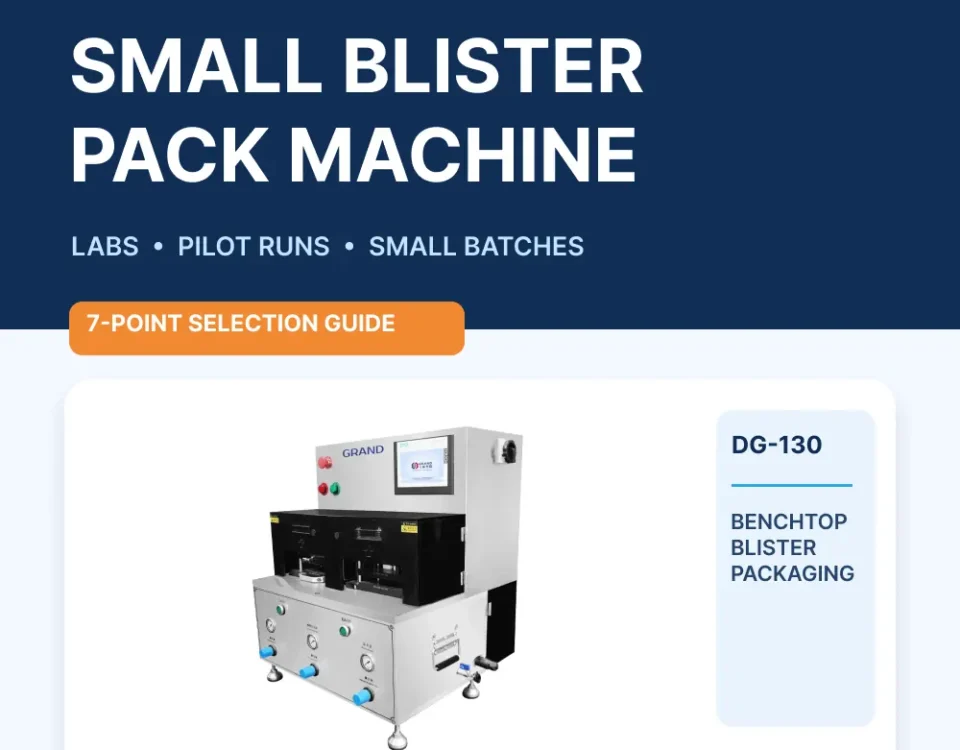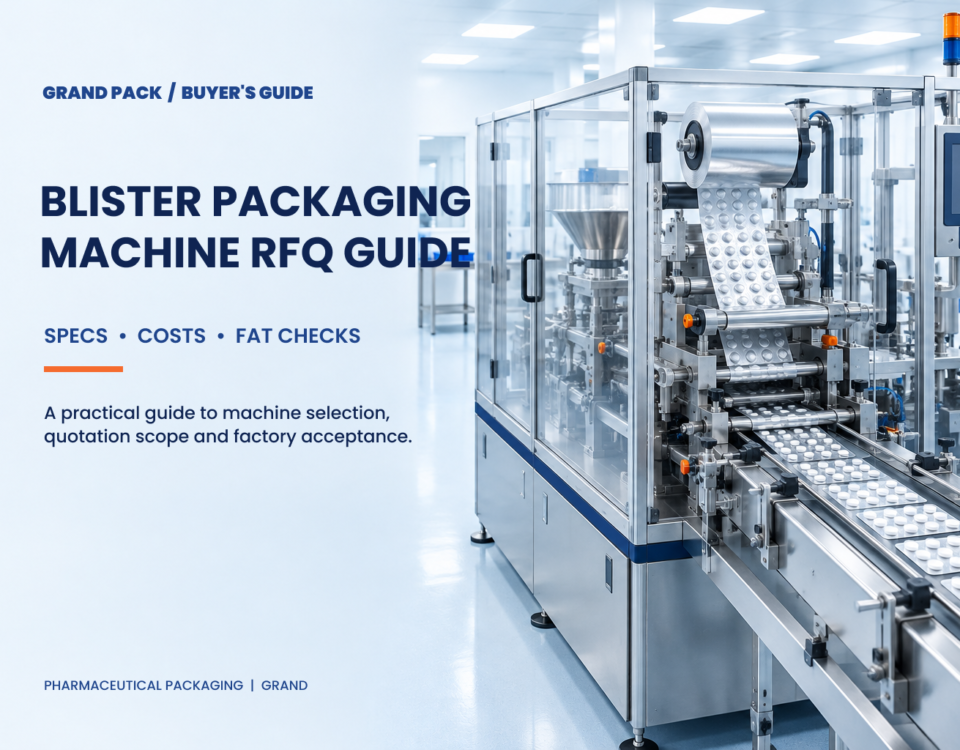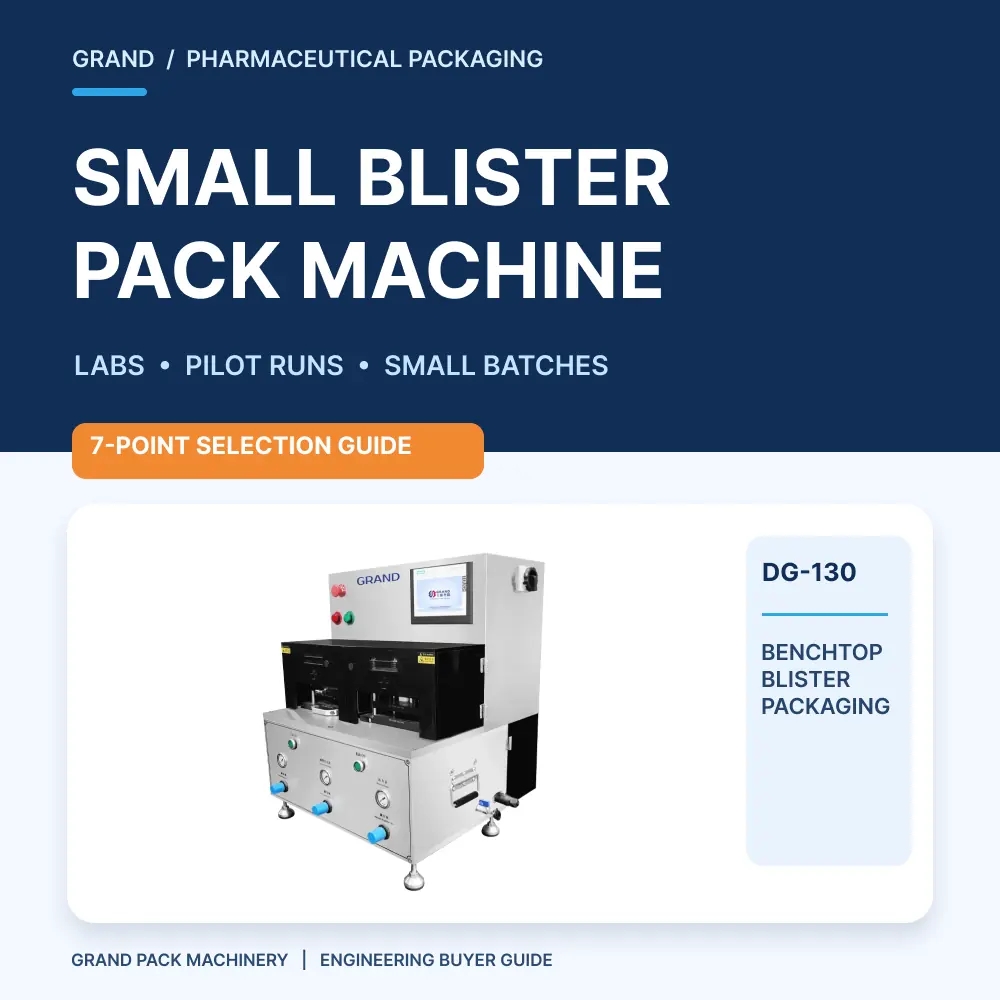
Компактные блистерные упаковочные машины для лабораторий и небольших партий: практическое руководство по выбору.
Blister Packaging Machine: Types, Working Principle & Buying Guide
А блистерная упаковочная машина uses a form-fill-seal (FFS) process to create individual cavities, place products into them and seal the pockets with a compatible lidding material. Depending on the machine design, these steps may be manual, semi-automatic or fully automatic, and the output may be individual sample cards or continuous commercial production. In pharmaceutical, nutraceutical, and medical manufacturing, it delivers unit-dose containment, physical protection, tamper evidence, and barrier defense against moisture, oxygen, and light. Selecting the right machine for a production line depends on five engineering variables: dosage form geometry and sensitivity, required barrier material structure (thermoformed polymer vs. cold-formed aluminum), mechanical forming and sealing architecture (flat-plate vs. rotary), target net qualified throughput, and downstream integration with secondary cartoning equipment.
This engineering guide connects pack requirements to the forming, sealing, feeding and inspection choices that must be verified on a specific machine. For a more detailed station-by-station walk-through, see the blister packaging process guide; for purchasing documents and factory acceptance testing, see the RFQ and FAT checklist.
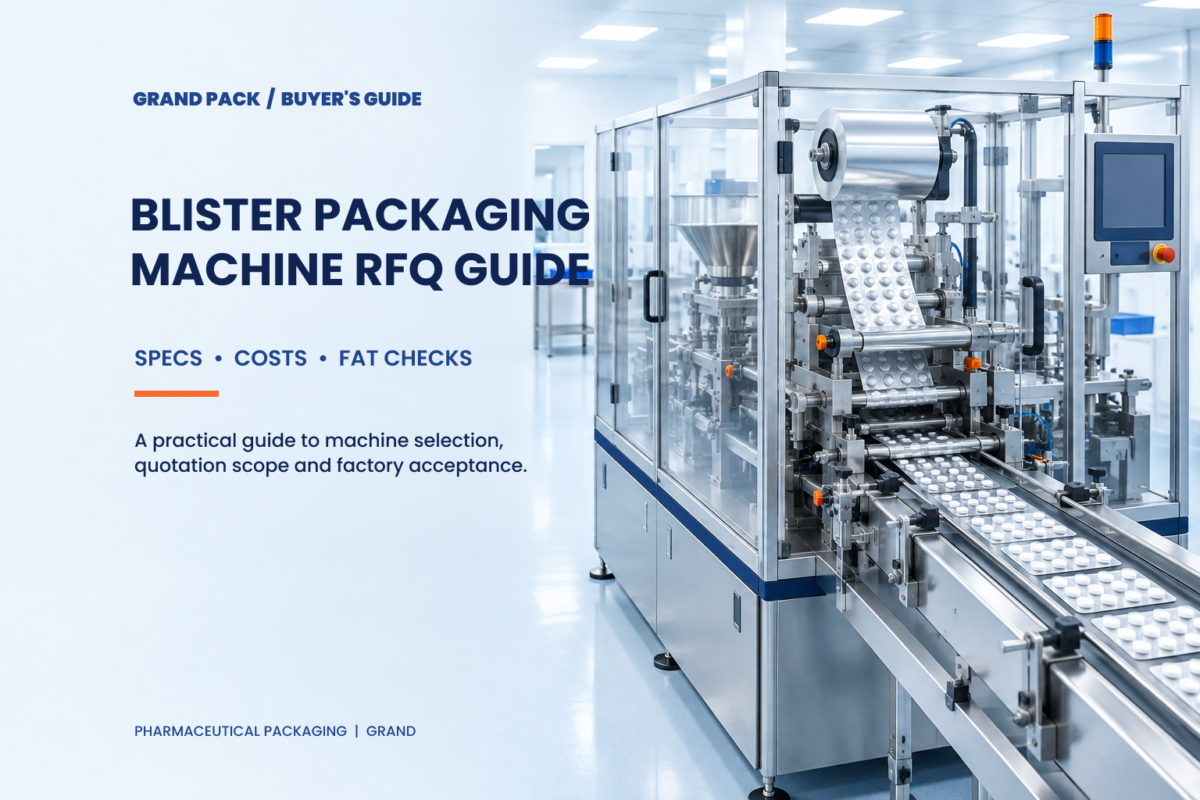
Automatic pharmaceutical blister packaging machine with enclosed sanitary safety guarding
What Is a Blister Packaging Machine?
Что такое блистерная упаковка?
Blister packaging is a primary unit-dose format consisting of two bonded webs: a formed base web with discrete pockets shaped to hold individual doses, and a flat lidding material sealed around each pocket flange. Depending on dispensing needs, lidding structures are engineered for push-through opening (pressing the dose through hard-temper aluminum foil), peel-open access, or child-resistant peel-push formats.
In regulated pharmaceutical production, blister packs act as a primary container closure system. Under U.S. Food and Drug Administration (FDA) cGMP regulations in 21 CFR 211.94, drug product containers and closures must not be reactive, additive, or absorptive so as to alter the safety, identity, strength, quality, or purity of the drug, and must protect against external storage factors. Unlike multi-dose bottles that expose the entire contents to ambient humidity each time the cap is opened, blister packs isolate every unit dose in its own sealed cavity until administration.
What Products Can Be Blister Packed?
Automatic blister packaging machines handle diverse products once the forming die and feeder are engineered and validated for the specific item:
Compressed and Coated Tablets: Round, oval, oblong, biconvex, film-coated, sugar-coated, and effervescent tablets.
Твердые капсулы: Two-piece hard gelatin and HPMC capsules containing powders, pellets or granules; supported capsule dimensions and feeding performance must be checked against the selected machine and tooling.
Softgel Capsules: Liquid- or suspension-filled soft gelatin capsules which may need carefully configured feeding and heat-management measures.
Parenteral and Medical Devices: Ampoules, vials, pre-filled syringes, and medical needles when configured with deep-draw molds and robotic or semi-automatic placement stations.
Unit-Dose Liquids and Pastes: Honey, jams, sauces, dairy portions, butter, and cosmetic creams when equipped with volumetric piston or peristaltic dosing pumps.
An equipment configuration validated for standard round tablets cannot be assumed to process softgels, deep-draw ampoules, or viscous pastes without dedicated tooling and feeding validation.
Pharmaceutical Blister Packaging vs Retail Blister Card Packaging
Buyers must distinguish between pharmaceutical unit-dose blister machines, retail card sealers, and strip pack machines:
Pharmaceutical Blister Packaging: An inline roll-fed form-fill-seal process that forms pockets from a base web, loads unit doses under sanitary guards, heat-seals roll-fed lidding foil (typically 20–30 μm PTP aluminum), and die-cuts multi-cavity blister cards for secondary cartoning.
Retail Blister Card Packaging: Used for hardware, toothbrushes, batteries, razors, and stationery. Machines such as the turntable or indexing paper-card sealers in the Каталог упаковочных машин GRAND для блистерной упаковки heat-seal a thermoformed PET/PVC shell onto a pre-cut, printed paperboard card coated with heat-seal varnish.
Strip Packaging (Soft Dual-Alu): Frequently confused with cold-form Alu-Alu blister packaging, strip packing uses no pre-formed rigid cavity. Instead, two flexible foil webs pass between heated crimping rollers to seal tablets in a flat sandwich strip. For the engineering differences between these formats, see our strip-pack vs. Alu-Alu blister comparison. Product-specific sealing conditions and stability requirements must be assessed.
How Does a Blister Packaging Machine Work?
An automatic blister packaging machine coordinates mechanical, thermal, and pneumatic operations through a representative sequence of forming, feeding, sealing, inspection and finishing; the actual number of stations and installed functions vary by machine:
Packaging Material Unwinding: The base film reel unwinds through a dancer-arm tension roller and splicing table to maintain flat, consistent web tension.
Heating and Blister Forming: В thermoforming, upper and lower contact heating plates warm thermoplastic film (such as PVC or PVDC) to its forming window before filtered compressed air (model-specified forming pressure, assisted by mechanical plugs for deep draws) blows the softened film into chilled mold cavities. In cold forming (Alu-Alu), heaters remain off while PTFE or nylon upper punches mechanically stamp multi-layer aluminum laminate into the lower die at ambient temperature.
Product Feeding and Filling: The formed web indexes beneath the feeder (brush box, vibratory rail/roller, pick-and-place gripper, or liquid pump) to load one product per cavity. Integrated vacuum ports extract loose tablet dust before sealing.
Inspection (Where Applicable): Depending on machine architecture, sensors or cameras inspect cavities before or after sealing. Where fitted, photoelectric sensors or vision systems may detect missing, broken or misoriented doses before sealing; a cold-form line may use a separate pinhole detection system. The inspection position, coverage and rejection logic must be verified for the quoted machine.
Термосваривание: Roll-fed lidding foil coated with heat-seal lacquer meets the filled base web. A heated knurled platen or rotary sealing cylinder applies controlled temperature, pressure, and dwell time to bond the lidding across the web flange while water-cooled lower plates protect the product from heat transfer.
Batch Coding and Perforating: Steel embossing dies stamp lot numbers and expiration dates into the blister margin, while optional perforation blades score snap-apart lines between cavities. Inline inkjet or laser coding can also be configured.
Punching and Cutting (Blanking): A servo or mechanical indexing mechanism advances the web into the blanking die, shearing individual rounded-corner blister cards while winding the skeletal trim matrix onto a motorized scrap reel.
Defective Pack Rejection and Discharge: Any blister card flagged by the inspection sensor or PLC shift register is diverted by a pneumatic blow-off nozzle or flap into a locked reject bin, while conforming packs exit along the discharge conveyor.
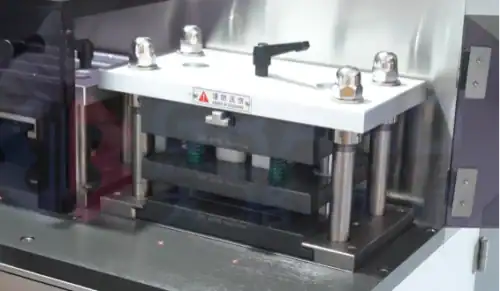
Platen heat-sealing station bonding aluminum lidding foil to formed blister cavities
Core Control and Mechanical Subsystems
While specific features depend on the individual model and quoted configuration, industrial blister machines rely on five core subsystems:
PLC and HMI Control: Coordinates station timing, PID temperature loops, fault alarms, and shift-register tracking from a central touchscreen.
Servo Motion vs. Mechanical Indexing: Web traction may use mechanical pendulum linkages, stepper motors, or closed-loop servo drives. Servo indexing enables digital stroke adjustment on the HMI and minimizes cumulative registration drift.
Sensors and Eye-Mark Registration: Photoelectric eye-mark sensors align pre-printed lidding artwork with formed pockets, while proximity sensors halt the line upon web runout or guard opening.
Pneumatic Air Preparation: Depending on machine design, forming and clamping functions may use compressed air. Confirm the pressure, air-quality requirements and approved preparation components for the specific configuration; do not assume a lubricator is appropriate for every pharmaceutical installation.
Mold Cooling System: Where the model uses water cooling, verify the required water quality, temperature and flow against the manufacturer's utility specification and the sensitivity of the product.
End-to-End Blister Production Activity Flow
| Subsystem Partition | Activity Sequence & Conditional Branch Logic |
| 1. Web & Forming | Unwind Base Film → Термоформование (Contact Pre-Heat + Positive-Pressure Air Blow in Chilled Die) OR Холодная формовка (Ambient Mechanical Plug Stamp on Alu-Alu) → Advance Formed Web |
| 2. Feeding & Inspection | Load Product into Cavities (Brush / Rail / Pump / Gripper) → Extract Dust → Verify Fill via Sensor/Vision Camera & Log Defect in PLC Shift Register |
| 3. Sealing & Finishing | Unwind Lidding Foil (Eye-Mark Track) → Heat-Seal Lidding to Base Web → Emboss Batch Code & Score Perforation → Index to Blanking Die & Punch Cards → Wind Skeletal Scrap |
| 4. Quality Gate | Evaluate Shift Register at Outfeed → If Flagged: Actuate Pneumatic Reject Gate to Locked Bin | If Conforming: Discharge Blister Pack to Conveyor / Cartoner |
Types of Blister Packaging Machines
Blister machines should be compared along three separate axes: mechanical architecture (flat-plate, rotary or other combinations), forming technology (thermoforming or cold forming), and automation scope. These terms describe different features; one does not guarantee another.
Flat-Plate Blister Packaging Machines
Flat-plate designs commonly use intermittent indexing and platen-type tooling for forming, sealing or both. They can suit flexible blister formats and moderate production volumes. Whether a particular machine can switch between thermoformed plastic and cold-formed aluminum depends on its frame, stations, tooling and specified options—not merely a mold change.
Rotary Blister Packaging Machines
Rotary designs use roller-based forming and/or sealing components and can suit longer, higher-output production runs. Forming materials, draw depth, changeover time and tooling cost must be checked against the actual machine version. Do not assume every rotary system has identical material limitations or feeding arrangements.
Combined Forming and Sealing Systems
Some systems combine different forming and sealing architectures. Their advantages are configuration-specific, so request a documented process flow, a reference format and acceptance criteria before comparing them with a flat-plate or rotary alternative.
| Comparison | What to verify | Почему это важно |
| Mechanical architecture | Intermittent/continuous movement and forming/sealing design | Cycle definition, tooling and format suitability |
| Forming materials | Specific PVC/PVDC/PET or cold-form foil structure tested on the offered configuration | Barrier requirements and tooling compatibility |
| Автоматизация | Which feeding, inspection, rejection, coding and transfer functions are included | Operator workload and finished-pack quality |
Automatic vs Semi-Automatic Machines
Tabletop and semi-automatic equipment may suit R&D samples, validation runs and short batches, while automatic roll-fed machines serve repeat production. Automation does not imply that every product-loading, inspection, cleaning or changeover task is operator-free. For a dedicated comparison, read our small blister pack machine guide.
Blister Packaging Materials
Material selection must be driven by product stability testing rather than film price alone. Under FDA Guidance on Container Closure Systems for Packaging Human Drugs and Biologics, packaging suitability is demonstrated through stability studies, while moisture barrier performance in the U.S. is classified (Classes A–D) via Moisture Vapor Transmission Rate (MVTR) testing under USP General Chapter <671>. For a detailed material cost and performance breakdown, see GRAND’s medical blister packaging materials.
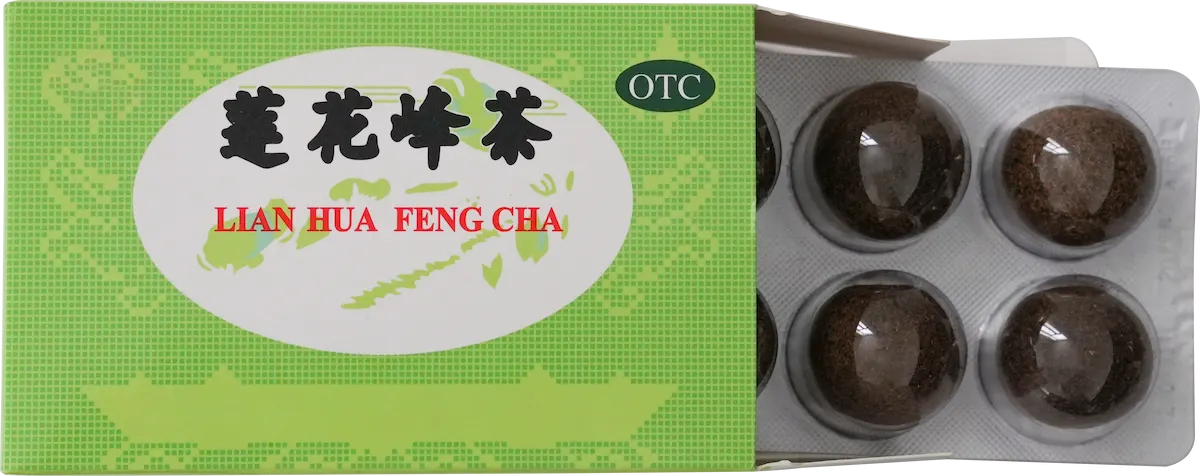
Pharmaceutical unit-dose blister pack samples across multiple cavity geometries
PVC/Alu Thermoformed Blisters
Rigid pharmaceutical PVC (typically 200–250 μm) sealed with 20–30 μm push-through PTP aluminum foil offers clear product visibility, wide thermal forming windows, compact card footprints, and low material cost. Because monolayer PVC provides limited moisture and oxygen resistance, it is suited only for solid dosages with verified stability under target storage conditions.
Cold-Form Alu-Alu Blisters
Cold-form Alu-Alu uses an OPA/Alu/PVC laminate (typically incorporating a 45–60 μm soft aluminum core) mechanically stamped at ambient temperature and sealed with aluminum lidding foil. It provides a near-complete barrier against moisture, oxygen, and light for highly hygroscopic or sensitive drugs and tropical export markets. However, cold-stamped aluminum requires wider draw angles, resulting in larger cavity footprints, wider web consumption, and lower cards-per-stroke density than PVC.
PVDC and Other Barrier Materials
PVC/PVDC & Triplex (PVC/PE/PVDC): PVDC coatings (40–120+ g/m²) significantly reduce moisture and oxygen permeation while retaining transparent thermoforming capability.
PCTFE (Aclar) Laminates: Deliver ultra-high thermoformable moisture protection without the large cavity footprint of cold-form Alu-Alu.
PP, PET & Dialyzing Paper: Used for halogen-free blisters or medical device/syringe trays paired with Tyvek or surgical dialyzing paper for EtO or gamma sterilization.
How Packaging Materials Affect Machine Selection
Forming Mechanics: Cold-Form Alu-Alu requires a flat-plate press with heavy stamping tonnage and PTFE plug-assist tooling; standard rotary thermoformers cannot cold-stamp aluminum.
Web Width Sizing: Because Alu-Alu pockets require wider draw skirts, maintaining the same multi-card output per stroke often requires stepping up to a wider machine web width.
Thermal & Cooling Control: PVDC and PP require tight PID temperature stability and effective water cooling to prevent coating degradation or web warpage.
How to Choose the Right Blister Packaging Machine
Identify Your Product Characteristics
Document tablet diameter, thickness, shape, friability, and capsule size (000#–5#) or liquid viscosity. Friable or dusty tablets require gentle feeding and vacuum dust extraction at the feeder box so powder does not contaminate the heat-sealing flange. For heat-sensitive products, evaluate the product temperature limit, sealing heat transfer, dwell time and any specified cooling arrangement. Cold forming shapes the cavity without thermoforming heat, but the lidding web may still require a thermal sealing step.
Define Your Blister Format and Materials
Establish the blister card outer dimensions, cavity matrix, pocket depth and product clearances from an approved format drawing. An 80 × 57 mm card or a 2×5 pocket layout is only an example; allowable dimensions and forming depths depend on the specific machine, material and tooling. Verify forming depth limits separately for thermoforming and cold forming, and sum the card widths plus edge trim allowances to confirm required roll width.
Calculate Required Production Capacity
Never equate a machine’s maximum nominal punching speed with its net commercial output. Real hourly capacity depends on practical operating speed (f), cards punched per stroke (n), planned-time availability (А), and qualified yield rate (Y):
Net Qualified Output (cards/hour) = f × 60 × n × А × Y
Net Dose Output (units/hour) = Net Qualified Output × c
Где f = practical operating frequency (strokes/min); 60 = min/hour; n = blister cards/stroke; А = planned-time availability decimal (running time / planned production time; e.g., 0.80); Y = qualified yield decimal (e.g., 0.985); and c = cavities/card.
Illustrative Calculation Example (Hypothetical Assumptions): Assume a 10-tablet PVC/Alu blister card (c = 10) runs on a flat-plate machine punching n = 2 cards/stroke. While peak dry speed is 50 strokes/min, continuous production runs at f = 35 strokes/min with availability А = 0.80 and Y = 0.985:
• Theoretical Peak Output (at 50 strokes/min, 100% planned-time availability and yield): 50 × 60 × 2 = 6,000 cards/hour (60,000 tablets/hour).
• Net Qualified Output (at 35 strokes/min, 80% availability, 98.5% yield): 35 × 60 × 2 × 0.80 × 0.985 = 3,310 qualified cards/hour (33,100 tablets/hour).
(Note: These figures are hypothetical assumptions to demonstrate the calculation method; actual output must be verified per SKU and model configuration.)
Calculation note: Because f is the practical running speed, the example factors in planned-time availability and qualified yield separately. Standard Общая эффективность оборудования (OEE) already combines availability, performance and quality; multiplying full OEE by yield again would double-count the quality loss. See Siemens' OEE information model for the KPI definition.
Evaluate Feeding Systems
Feeder selection should be based on the product's geometry, friability, dust generation and required output. Common approaches include:
Universal Brush-Box Feeder: Cost-effective and easy to clean for standard round tablets and hard capsules at moderate speeds, though rotating brushes can sweep tablets out of shallow Alu-Alu cavities.
Dedicated Rail, Track, and Roller Feeders: Guide irregular, oval, or caplet shapes and shallow Alu-Alu pockets with high orientation accuracy.
Classified Multi-Product Feeders: Use separate hoppers and rails to load combination therapy tablets into distinct cavities on the same blister card.
Robotic Pick-and-Place & Liquid Pumps: Servo grippers/suction cups place fragile ampoules, vials, or syringes, while piston or peristaltic pumps dose liquids and pastes.
Consider Inspection and Quality Control
To support cGMP packaging controls under 21 CFR 211.130, evaluate whether your line requires basic photoelectric missing-dose sensors or a 2D/color vision camera system capable of detecting broken tablets, foreign particulates, and capsule length deviations, paired with pinhole detection (for Alu-Alu) and PLC shift-register reject verification.
Check Changeover and Tooling Requirements
Multi-product facilities should verify quick-lock mandrel mounts, position rulers, quick-disconnect cooling lines, and HMI recipe memory across the forming mold, sealing plate, feeder rails, coding holder, and blanking die to minimize changeover downtime.
Evaluate Integration and After-Sales Support
Determine whether the blister machine will operate standalone or connect to картонажное оборудование. Ask the supplier which FAT/SAT activities, qualification documents, operator training, HMI language options and spare-parts services are included in the quoted scope.
Before You Request a Quotation
Prepare product and blister drawings, representative forming and lidding materials, expected output in количество принимаемых блистерных карт в час, and the inspection functions the project requires. Ask the supplier to confirm compatible films, change parts, utility requirements and test conditions for each SKU. Do not apply generic efficiency percentages to infer guaranteed output.
For a complete URS, supplier-comparison worksheet, cost scope and factory acceptance test, use our dedicated blister packaging machine RFQ and FAT checklist. This article introduces equipment selection; the RFQ guide covers purchasing documentation and acceptance criteria in depth.
GRAND Blister Packaging Machine Models
For equipment actually presented on this website, start with GRAND's blister packaging machine catalogue. These examples are starting points for a configuration discussion, not a promise that every material, feeder or capacity is standard on every build.
| Model on GRAND's site | Catalogue positioning | Project fit to verify |
| DG-130 Laboratory Blister Pack Machine | Laboratory-oriented blister equipment | Sample sizes, approved materials and short-batch requirements |
| DPP-80 Button | Compact machine listed for tablets and capsules, with other applications subject to configuration | Actual forming material, feeding method, blister dimensions and optional inspection |
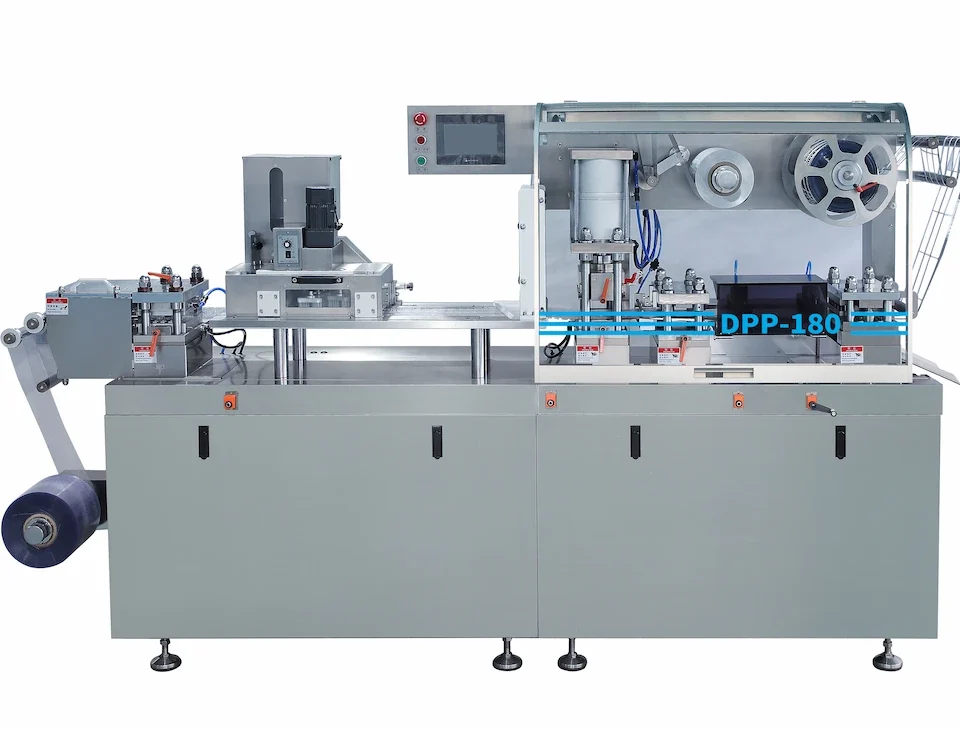
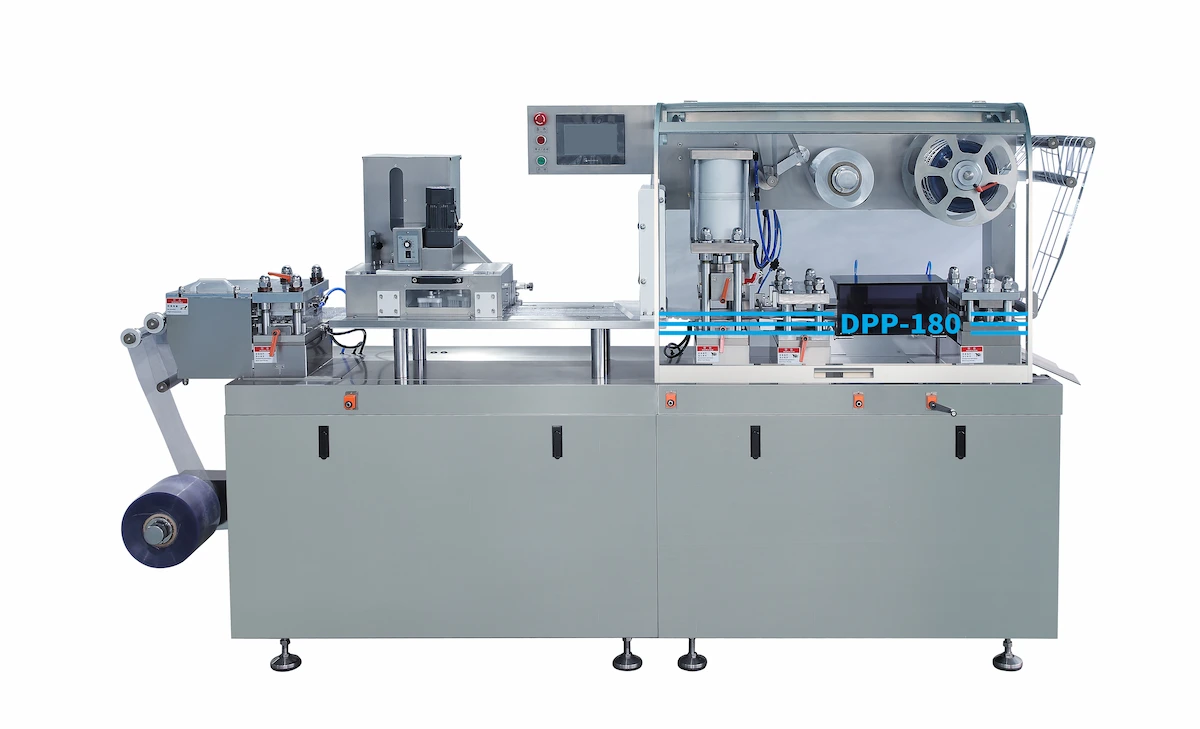
| ДПП-180Л | Automatic blister packing machine for pharmaceutical and related products | Specified format, material compatibility and any optional liquid-filling arrangement |
| DPP-260Y | High-speed machine listed for medicines and tablets | Required accepted-card output, forming structure, inspection and line integration |
Model names and commercial configurations must match the latest manufacturer-approved datasheet and the specific quotation. Do not substitute a different model suffix, transfer dimensions from another machine or promise a material conversion without documented factory confirmation.
Blister Packaging Machine Price and Cost Factors
Blister packaging machine cost depends on the exact equipment and project scope: forming and sealing design, tool sets, feeding, inspection, coding, installation and technical support. Compare supplier quotations only after the same pack formats and acceptance criteria have been defined.
Operating costs also depend on the material structure, acceptable-pack yield, maintenance and planned changeovers. For a structured comparison of purchase scope and FAT criteria, see Руководство по запросам коммерческих предложений на оборудование для блистерной упаковки: технические характеристики, стоимость и заводские приемочные испытания..
Common Blister Packaging Problems and Quality Control
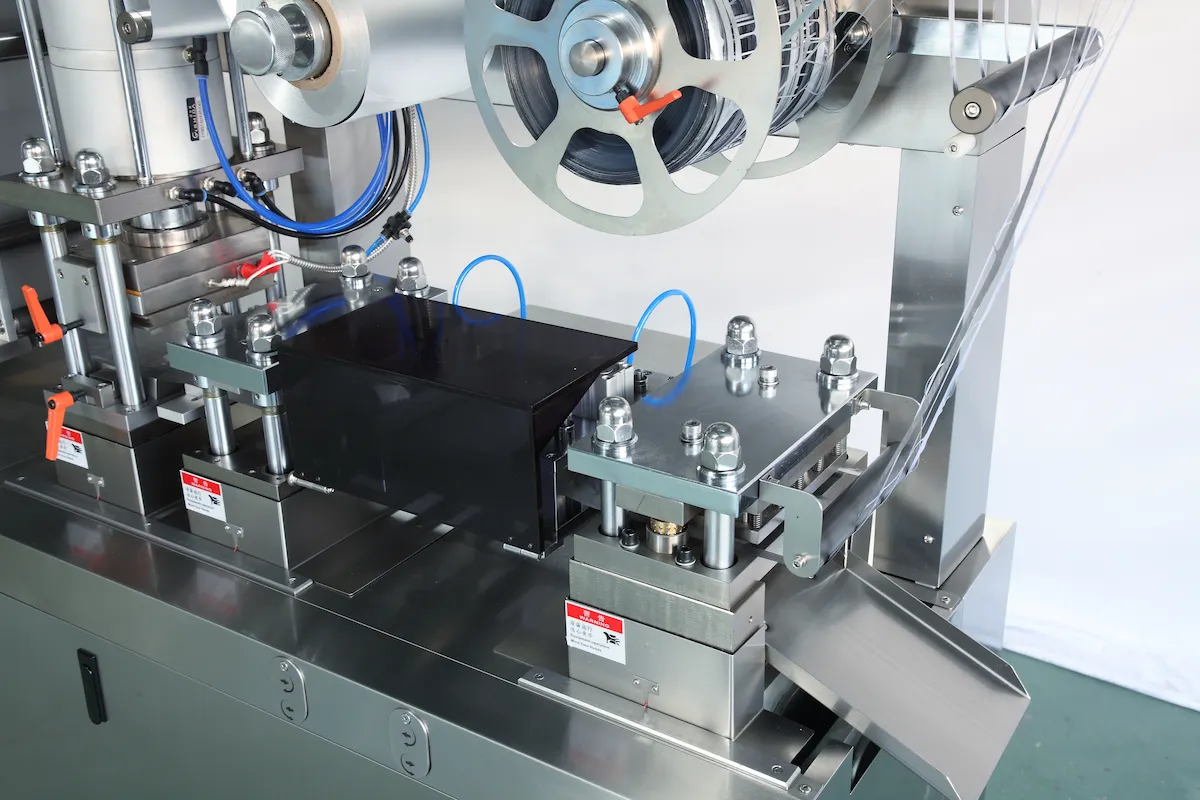
Precision blister card punching and discharge station
Safety Notice: Always execute Lockout/Tagout (LOTO) procedures and consult the manufacturer’s operation manual before adjusting mechanical assemblies, servicing heaters, or inspecting dies. Never bypass safety guards or interlocks during operation.
| Defect | Typical Symptoms | Probable Causes | Troubleshooting & Prevention Direction |
| 1. Incomplete Forming | Shallow pockets, thin corners, or Alu-Alu pinholes | Thermoforming: unsuitable film temperature, forming pressure or dwell time. Cold forming: laminate damage, excessive draw or tooling misalignment | Identify the forming method first. Check the validated temperature, pressure and dwell window for thermoforming; inspect the laminate, forming punches and draw geometry for cold forming |
| 2. Poor Heat Sealing | Foil delamination, channel leaks, or card warping | Sealing temperature/pressure out of window; tablet dust on sealing flange; incompatible lacquer | Run a seal window study; verify platen pressure distribution; check feeder dust extraction; confirm lacquer compatibility |
| 3. Empty Cavities | Sealed packs missing one or more doses | Low hopper level; chute bridging; brush sweeping doses out of shallow Alu-Alu pockets | Check level sensor; inspect for tablet sticking; adjust brush speed/scraper or switch to a dedicated rail/roller feeder |
| 4. Damaged Products | Chipped tablets, crushed capsules, or melted softgels | Tight pocket clearance; aggressive brush agitation; misaligned dose crushed in seal platen; poor cooling | Verify cavity drawing clearances; reduce feeder agitation; confirm lower sealing plate cooling water flow |
| 5. Film Misalignment | Printed artwork or cavity position drifts off-register | Dirty/miscalibrated eye-mark sensor; slipping traction rollers; overheated PVC shrinkage | Clean/recalibrate photoelectric sensor; check servo traction roller grip and web tension; stabilize mold cooling |
| 6. Cutting Defects | Edge burrs, torn perforations, or off-center borders | Dull punch/die edges; excessive die clearance; drifted stroke index or loose station lock | Inspect and sharpen die under LOTO; verify servo stroke length and re-align blanking station scale |
| 7. Inspection Failures | Unrejected defective packs or false rejects | Dirty camera lens/lighting drift; wrong PLC shift-register step count; low reject air pressure | Clean optics; verify lighting thresholds; run a seeded-defect challenge test to confirm shift-register tracking and bin sensor |
Часто задаваемые вопросы
1. What is a blister packaging machine used for?
A blister packaging machine forms, fills and seals unit-dose pockets for tablets, capsules and other products when suitable forming tools, feeders and process controls are installed. The exact formats a machine can handle require product-specific confirmation and trials; finished-pack quality also depends on inspection and sealing validation.
2. How does a blister packaging machine work?
A typical line unwinds the base web, forms cavities by thermoforming or cold forming, feeds products, seals lidding material, and cuts out blister cards. Depending on the supplied machine, inspection, coding, perforation, traceability, rejection and cartoner transfer may be included or optional.
3. What is the difference between Alu-PVC and Alu-Alu blister packaging?
Alu-PVC normally uses a thermoformed plastic base web and aluminum lidding foil, allowing the contents to be seen through the plastic. Cold-form Alu-Alu uses an opaque aluminum-containing laminate for the cavities and usually provides a stronger moisture and light barrier. Actual protection depends on laminate quality, seal integrity and product stability testing, not the material name alone.
4. Can one machine package both tablets and capsules?
Potentially, but not on every model or configuration. Tablet and capsule dimensions, feeder arrangement, cavity geometry, tooling, inspection and running parameters must be checked individually. Switching between thermoformed Alu-PVC and cold-formed Alu-Alu is a separate capability that cannot be assumed from a mold change alone. Request the offered machine's written specifications and a representative product trial.
5. What determines blister packaging machine capacity?
Estimate qualified cards per hour from the validated running strokes per minute, cards produced per stroke, planned-time availability and accepted-pack yield. If you instead use full OEE (availability × performance × quality), do not multiply the quality yield again.
6. How much does a blister packaging machine cost?
Pricing depends on maximum web width, thermoforming vs. dual Alu-Alu capability, number of custom mold sets, feeder architecture (brush box vs. dedicated track or robotic pick-and-place), vision inspection modules, and cartoner linkage. Accurate quotes require reviewing your product samples and blister drawing.
7. Can a blister packaging machine connect to a cartoning machine?
Some machines can connect to cartoning equipment through suitable conveyors, accumulation or stacker systems, guarding and synchronized machine interfaces. Confirm the specific infeed arrangement, speed matching, reject handling and control-signal scope with both equipment suppliers before promising inline operation.
Conclusion — Choosing a Blister Packaging Solution
A suitable blister packaging machine is defined by the product and finished pack, not by a model name or advertised maximum speed alone. Confirm material compatibility, pocket geometry, feeding method, acceptable-pack output and quality checks with representative samples before selecting a production configuration.
For next steps, explore GRAND's current blister equipment catalogue, compare medical blister packaging materials, review the blister packaging process, or prepare your specifications using our RFQ and FAT guide.
Discuss Your Blister Packaging Requirements with GRAND
To request a technical suitability review, share product dimensions and samples, a blister drawing, intended forming and lidding materials, target accepted cards per hour, changeover frequency, available utilities, and required inspection or cartoning interfaces. The exact configuration and performance data must be confirmed by GRAND's engineering team.
Развивайте свой бизнес с Grand