
What are self-adhesive labels?
Export Case Study: Fully Automatic Tablet Press Solutions for France
In today’s highly connected and rapidly evolving global market, the demand for precision manufacturing equipment is higher than ever. Companies across the world are constantly seeking reliable, efficient, and highly customizable machinery to meet their exact production needs.
Among these industrial solutions, the Fully Automatic Tablet Press stands out as a critical piece of equipment. It is the beating heart of production lines in the pharmaceutical, nutraceutical, and chemical industries.
Chinese manufacturing has evolved significantly over the past decade. It has shifted from simple mass production to offering highly specialized, tailor-made engineering solutions for global buyers.
Today, we are thrilled to share an in-depth Export Case Study: Fully Automatic Tablet Press. This comprehensive overview details our successful collaboration with a prominent manufacturing client based in France.
This story highlights how our dedicated sales manager, Fiona, navigated complex technical requirements. It shows how she bridged cross-cultural communication gaps and delivered a flawless end-to-end production line.
Project Background: Strict European Demands
The journey began with a highly specific inquiry from a French buyer. His company required a robust manufacturing solution to produce a diverse range of tablet shapes and sizes.
Their product portfolio was complex. It included conventional round tablets as well as irregularly shaped products, such as unique seed-shaped and teardrop-shaped tablets.
The client demanded high precision and strict adherence to European manufacturing standards. They also needed a seamless transition from the pressing stage to the final packaging stage.
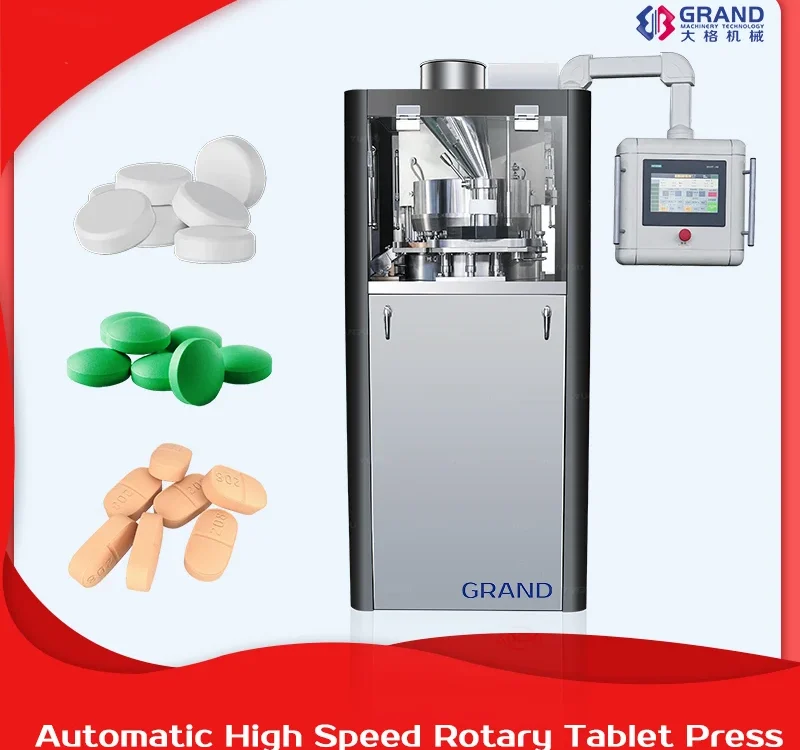
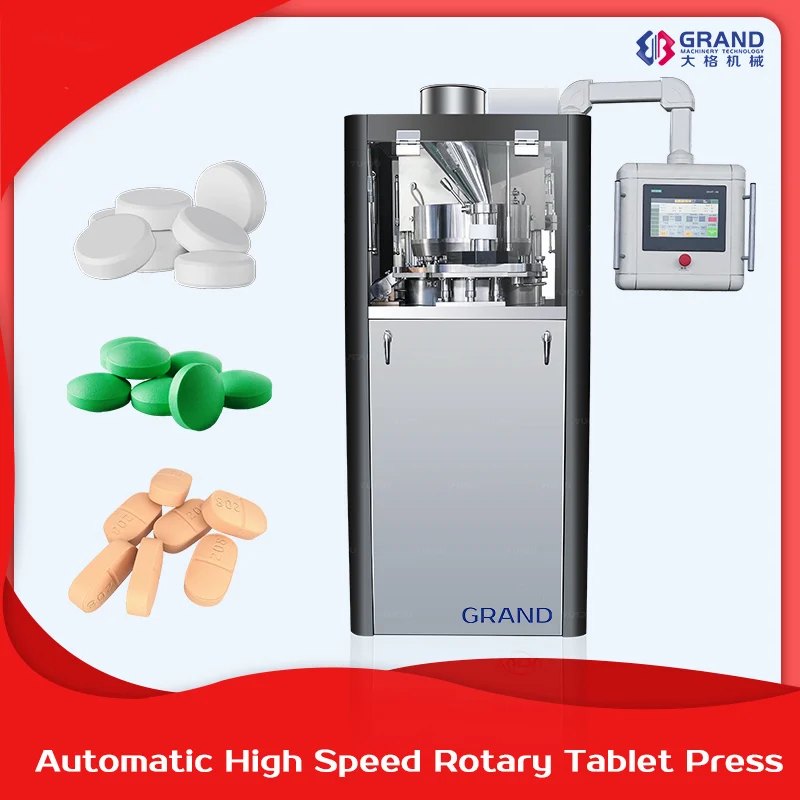
After careful evaluation of their production goals, the client selected one of our flagship models: the GZPK-26 Plus Rotary Tablet Press.
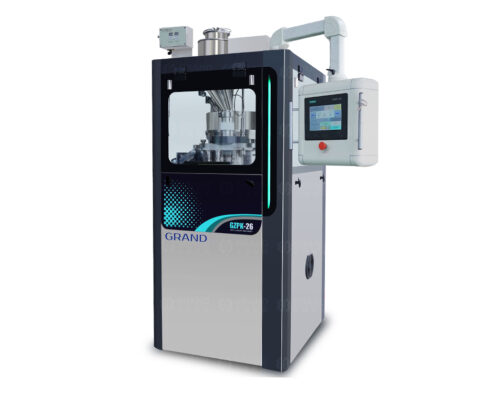
However, finalizing the machine model was merely the first step. What followed was a multi-week journey of intensive technical customization and problem-solving.
Challenge 1: Engineering Limits and Mold Customization
The first major hurdle we encountered revolved around the physical limitations of the machine versus the client’s initial design parameters.
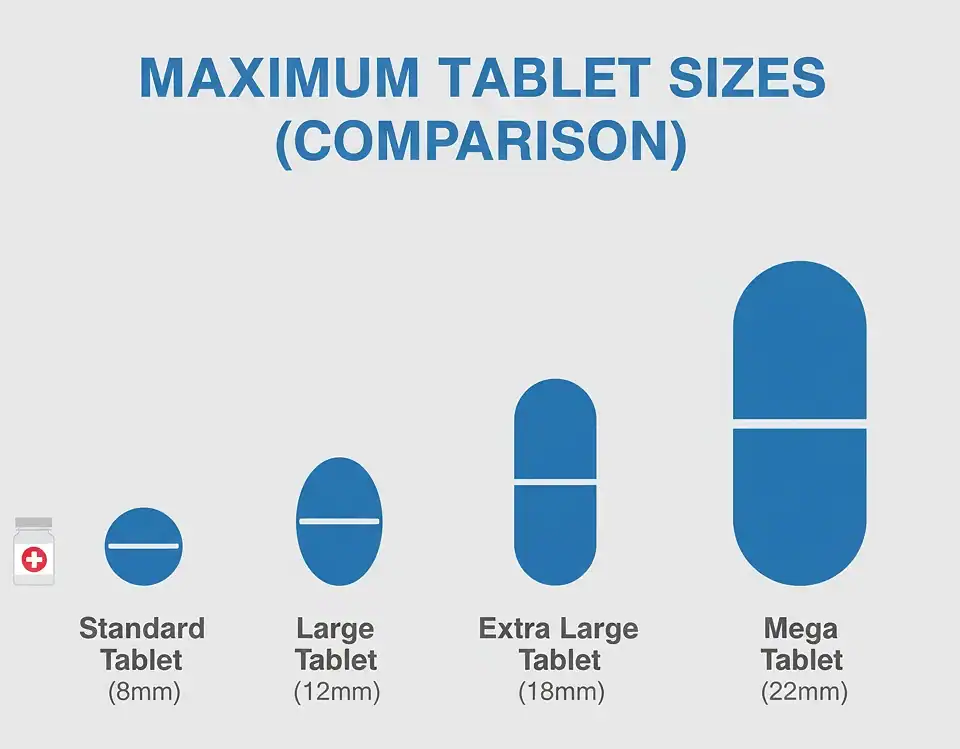
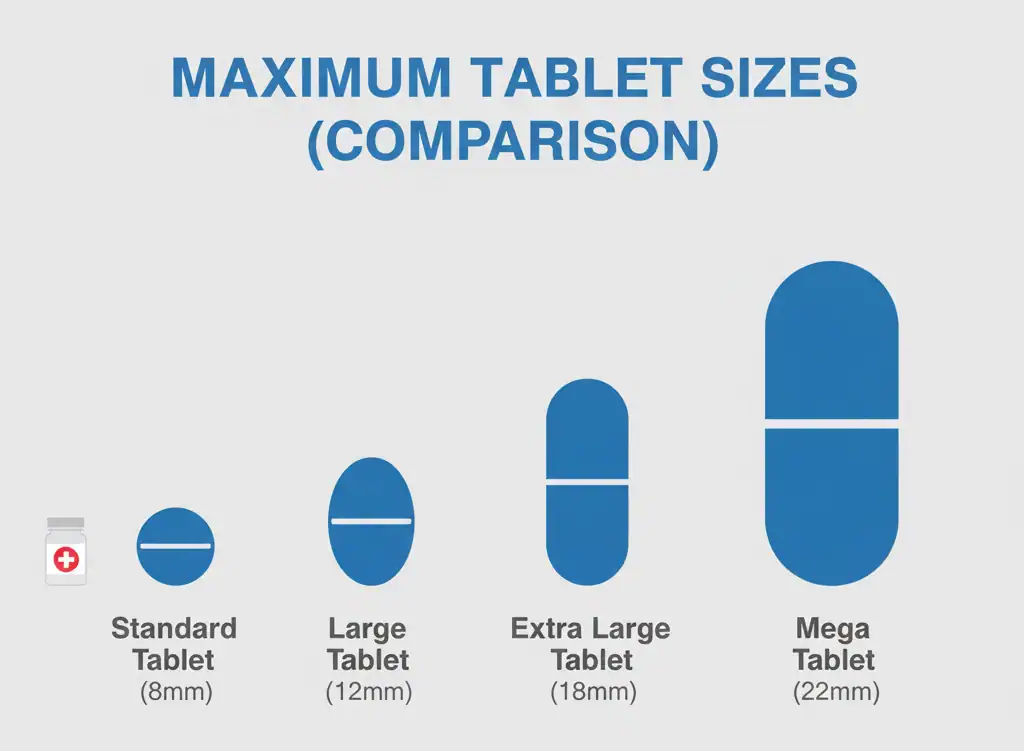
The client originally wanted to produce a large tablet with a 26mm diameter. However, the strict engineering specifications of the GZPK-26 Plus model dictate a maximum tablet diameter of 25mm.
As a professional supplier of Pharmaceutical Tablet Press equipment, we prioritize safety and machine integrity above all else. We cannot compromise on mechanical limits.

Fiona, our experienced sales manager, addressed this immediately. She clearly communicated the technical boundary to the client. She stated that the machine could not handle a 26mm diameter, and politely requested if the product design could be modified to 25mm.
The client readily agreed to this slight adjustment. Fiona then rapidly advanced the project, coordinating a comprehensive tooling package that included 9 complete sets of molds.
The process of finalizing the technical drawings, however, tested the engineering team's patience. The client provided 3D models, which our team had to convert into precise 2D manufacturing blueprints for the CNC machines.
During the initial drafting phase, some hidden dimensions, such as specific edge radiuses and exact thicknesses, were not perfectly translated to the 2D files.
The client expressed his frustration directly. He stated that the drawings were unacceptable and reminded the team to remain professional in their technical outputs.

Instead of becoming defensive, Fiona showcased exceptional emotional intelligence. She immediately de-escalated the situation by taking responsibility, replying gracefully to calm the waters.
She then meticulously guided the client through the PDF drawings. Together, they isolated the exact blueprints that needed revision, ensuring every millimeter was accounted for.
Through multiple rounds of fine-tuning, the engineering team delivered perfect designs. The client’s final approval marked a significant victory for our custom engineering capabilities.
Challenge 2: Operational Physics and Smart Adjustments
With the mold drawings finally approved, another interesting technical discussion arose. This conversation perfectly illustrated the complexities of running a Fully Automatic Tablet Press.
The client realized that for certain unique tablet references, their production volume would be relatively low compared to their mainstream products.
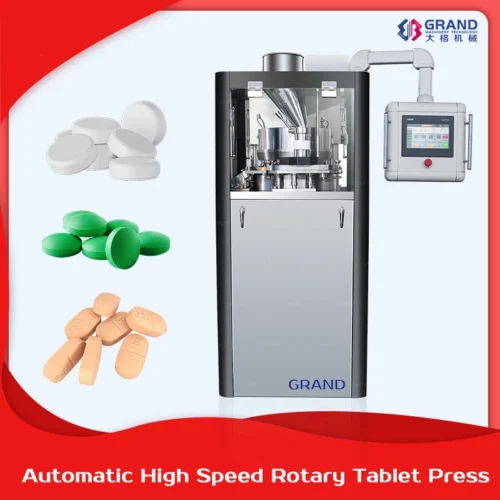
Hoping to save time on setup and reduce wear on the tooling, the client asked a logical but mechanically problematic question. He asked if he could run the machine with only 10 punches installed, instead of the full set of 26.
Operating a high-speed rotary press requires perfect physical balance. The turret spins at high velocities, and the compression force must be evenly distributed across the entire rotor.
Fiona carefully explained the mechanical physics to the client. She noted that rotary pressing requires a complete set of tooling to function safely.
Leaving punch stations empty would severely unbalance the turret. This imbalance could cause extreme vibrations and potentially result in irreversible damage to the machine's core components.
But Fiona did not just reject the idea; she provided a highly practical alternative.
She advised the client to utilize the machine's variable frequency drive (VFD). If the production volume requirement was low, the optimal solution was simply to reduce the operational speed of the equipment.
By slowing down the machine, the client could achieve their desired low-volume output safely. This expert advice reassured the client and demonstrated our profound understanding of machine mechanics.
Challenge 3: Expanding Tablet Press Applications to Packaging
The project soon expanded beyond mere tablet compression. This specific case beautifully highlights the broader scope of Tablet Press Applications, extending right to the end of the line.
Once the pressing parameters were settled, the client needed a specialized solution to package the newly pressed tablets into retail-ready pouches.
They required a vertical Doypack packaging machine to pack either two or three large tablets into pre-made pouches. The tablets were quite large, measuring 20mm in diameter and 18mm in height.
The client had a highly specific automated feeding system already in place at their French facility. A robotic pneumatic arm fed the tablets with extreme precision.
Because of this existing automation, the client could not use a standard conical hopper on the packaging machine. If the tablets fell into a cone, they would tip over, ruining the packaging alignment.
Fiona and our engineering team held multiple brainstorming sessions to accommodate this unique requirement. The resulting solution was innovative and highly customized.
First, we completely removed the standard feeding hopper from the vertical packaging machine design.
Instead, we engineered a custom flat opening at the top of the machine. This was precisely tailored to receive the tablets directly from the client’s robotic arm.
Furthermore, we designed two customized oval-shaped formers. These specific formers ensured that the 40mm wide (two tablets) and 60mm wide (three tablets) payloads could slide perfectly side-by-side into the pouch.
To top it off, Fiona accommodated the client's request for specific aesthetic and functional add-ons.
We utilized transparent plexiglass for the machine guards instead of the standard colored acrylic. We also integrated a specific Chinese-branded S10 batch inkjet printer that the client's operators were already familiar with.
Finally, we added an inclined discharge conveyor to elevate the finished pouches to the client’s required height, providing a true end-to-end solution.
Challenge 4: Logistics, Deadlines, and Global Trade Trust
The final phase of this project involved navigating the complexities of international finance, tight deadlines, and cross-border logistics.
Trust is the ultimate currency in B2B global trade. Towards the end of the project, a minor banking error caused a significant delay in payment.
The client’s European bank had slightly misspelled the SWIFT code for the wire transfer. They typed BKCII instead of the correct BKCH, leaving the payment for the packaging machine in limbo.
While the client investigated the issue on their end, Fiona maintained constant communication with our financial department to monitor the incoming funds.
Demonstrating immense trust in the partnership they had built, Fiona proactively applied to her management. She requested to begin the preliminary manufacturing steps for the packaging machine before the delayed funds officially cleared.
Another logistical challenge arose regarding the shipping timeline. The standard 30-day manufacturing time for 9 sets of custom molds was too long for the client's urgent market launch.
The client requested to ship the main press immediately by air freight, and have the molds follow later via express courier.
Fiona managed this expectation carefully. She explained the absolute necessity of factory testing the molds on the actual machine before shipping.
To solve the time constraint, she prioritized the production of two critical sets of molds. This allowed the factory to test the machine properly and ship it via air freight with the essential tooling, saving the client precious time.
Simultaneously, the client shipped sample rolls of their actual packaging film and disguised tablet samples from France to our facility. This allowed our technicians to perform live, on-site testing, guaranteeing flawless performance upon arrival in Europe.
How to Buy a Fully Automatic Tablet Press from Guangzhou Grand Machinery
Purchasing industrial pharmaceutical equipment is a significant investment. At Guangzhou Grand Machinery, we have streamlined our procurement process to ensure maximum clarity, customization, and customer satisfaction for our global clients. Here is a summary of our standard buying process:
Step 1: Initial Inquiry and Needs Assessment The process begins when you reach out to our sales team with your production requirements. We will ask detailed questions regarding your desired output capacity, tablet sizes, shapes, and the specific materials you intend to compress. Understanding whether you need a single-punch press for R&D or a high-speed rotary press for mass production is crucial at this stage.
Step 2: Technical Consultation and Tooling Design Once the appropriate machine model is selected, our engineering team steps in. If you require custom tablet shapes or embossed logos, you will provide your 3D models or conceptual drawings. Our engineers will convert these into precise 2D manufacturing blueprints for your approval. We will also discuss any necessary modifications, such as customized feeding systems, specialized hoppers, or upgraded safety enclosures.
Step 3: Formal Quotation and Contract Finalization After all technical specifications and drawings are approved by your team, we issue a formal Proforma Invoice (PI). This document outlines the exact equipment, the tooling sets, pricing, payment terms (typically a T/T wire transfer), and estimated production lead times.
Step 4: Manufacturing and Rigorous Testing Upon receipt of the initial deposit, manufacturing begins. For custom machines and molds, this process usually takes between 25 to 30 days. Crucially, we do not ship untested equipment. We encourage clients to send their actual raw powder or dummy materials to our facility so we can run live Factory Acceptance Testing (FAT) before dispatch.
Step 5: Logistics, Delivery, and After-Sales Support We assist with all export documentation and can arrange sea or air freight according to your urgency. Once the machine arrives at your facility, Guangzhou Grand Machinery provides comprehensive remote installation guidance, video tutorials, and ongoing technical support to ensure your production line runs smoothly for years to come.
Develop Your Business with Grand