
Fully Automatic CIP Cleaning System: How It Works?
Powder Mixer Wizardry: Grand Solutions for Pharma Blends
Looking to package capsules in small pouches?
Pharmaceutical companies are increasingly exploring small pouch (sachet) formats for unit-dose capsules and tablets. Unit-dose pouches can seal individual tablets or capsules in lightweight sachets, offering tamper-evidence and simplified dosing. Industry reports confirm that flat pouch packaging is booming (projected to grow ~5% annually) as it combines product protection with consumer convenience.
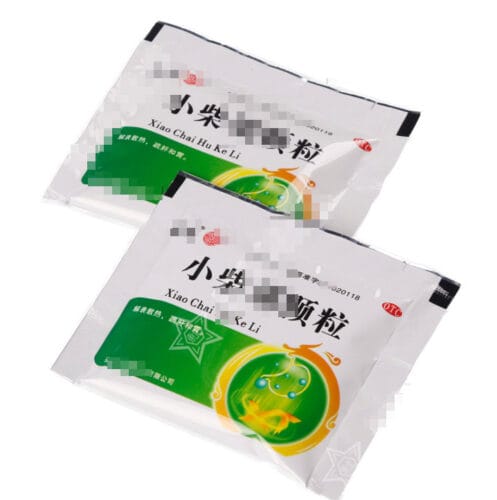
In fact, flat pouches are already widely used across food, beverage, cosmetics – and notably in pharmaceuticals for tablets, powders and liquids.
These versatile pouches keep moisture and light away from sensitive drug contents, extending shelf life. Packaging experts also emphasize matching pouch size to content: “proper sizing — large tablets in large pouches, small tablets in small pouches — to ensure the best fit”. This ensures patient ease-of-use and efficient storage.
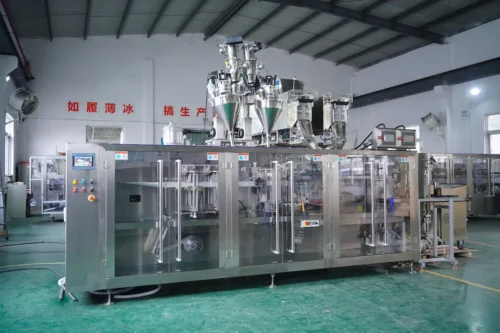
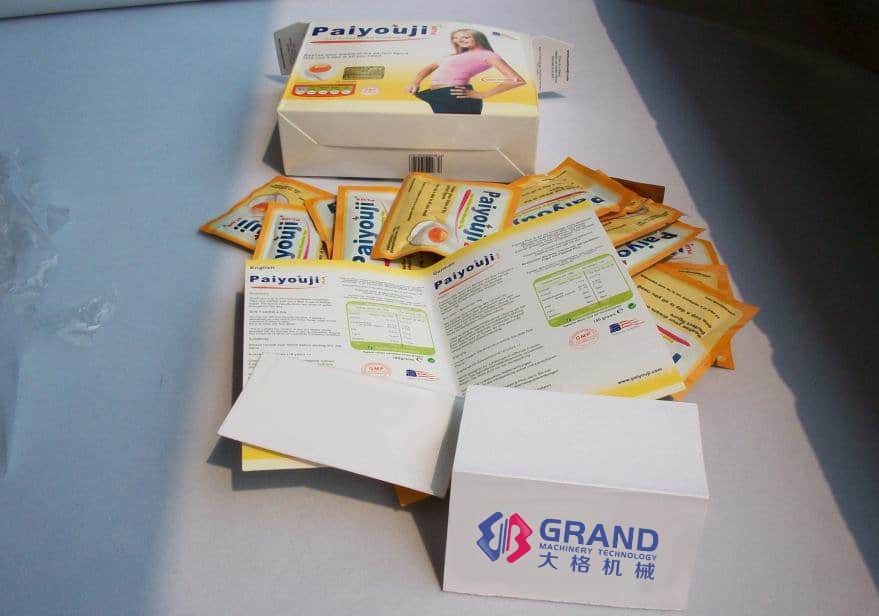
Grand’s CTS-series horizontal sachet packing machine and sample small pouches (image: Grand Pack Machine).
Grand Pack’s CTS-180 horizontal sachet machine is designed exactly for this need. It uses a roll of laminated film to form, fill and seal flat or stand-up sachets in one continuous flow. Grand notes that the CTS series can integrate with different fillers – suitable for powders, granules, tablets or even candies – to produce 3- or 4‑side-sealed sachets, single- or twin-link bags, or spouted pouches. In practical terms, the CTS-180 handles pouch sizes from about 50×80 mm up to 180×225 mm, with a filling volume up to 400 ml.
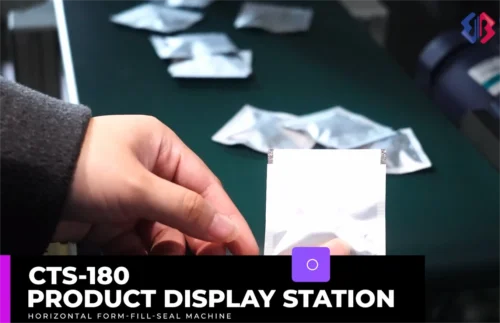
Its output reaches 40–80 pouches per minute (depending on bag length). This high speed far exceeds what hand-packing or small vertical machines can match for sachets. In fact, one case study noted that a company’s daily small-pouch output jumped 50% (while cutting costs ~30%) after adopting a high-speed horizontal pouch machine.
Grand’s machine also features touch-screen PLC controls, servo-driven film feeding, and optional barcode embossing, so production can stop immediately if any fault is detected.
Packaging best practices go hand-in-hand with machine choice. For example, experts recommend using high-barrier laminated films for moisture-sensitive capsules, and including tear-notches for patient-friendly opening. One side of the pouch should be opaque or non-reflective to protect light-sensitive drugs. Many manufacturers apply serialized barcodes or date/lot embossing on each sachet to meet regulatory traceability.
Inside, Grand’s CTS machines can be fitted with capsule-counting feeders or vibratory hoppers to ensure each pouch gets the exact count. Aligning the film timing and sealing temperature to the product is crucial; Grand’s engineers assist users in calibrating these for minimal weight variation.
Overall, combining the right film, precise dosing (often via integrated checkweighers or fillers), and quality sealing yields consistent, FDA-compliant unit-dose pouches.
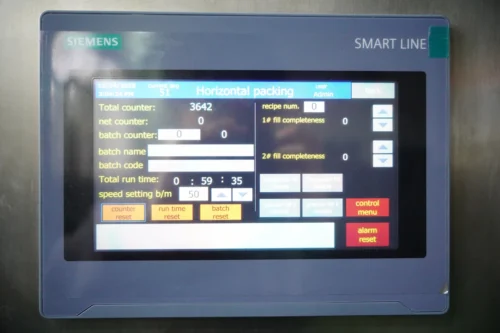
Horizontal sachet machinery has practical advantages over vertical machines for capsule/powder formats. Unlike vertical FFS systems (which are excellent for powders and granules), a horizontal pouch machine can run faster for small, pre-formed bags and can handle rigid or oddly-shaped capsules more gently. In fact, packaging analysts note that sachet machines “offer faster speeds compared to vertical models” and can package products in a variety of bag shapes and sizes.
Sachet packaging is already common for many pharmaceutical products: flat sachets and stick packs are used for oral solids like vitamins and cold medicines. Industry data shows unit-dose packaging (including sachets) is surging – the global unit-dose market is projected to double (to ~$76 billion) by 2035.
The report explicitly cites sachets along with blister cards and vials as a key segment of unit-dose pharma packaging. In short, Horizontal Pouch Packaging Machines like the CTS-180 are at the leading edge of a growing trend toward personalized, small-quantity dosing.
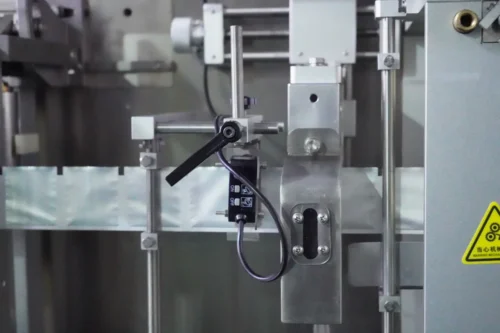
Grand’s CTS-180 stands out among horizontal form-fill-seal machine manufacturers for its ease of use and adaptability. From the operator’s perspective, loading the film roll and adjusting bag length is straightforward via a color touch screen. Maintenance is simplified by accessible components and an auto-lubrication system.
Grand also provides comprehensive service: engineers can install and debug on-site, training your staff on machine operation. (Grand offers a 12-month warranty with spare parts shipment, reflecting their global support footprint.) Customers can discuss their exact pouch dimensions and materials with Grand’s specialists to hit target speeds and yields.
In our experience, many mid-size pharma firms find the CTS-180 meets ~80–90% of their packaging needs – allowing blister and bottle lines to focus on other SKUs while sachet lines run in parallel.
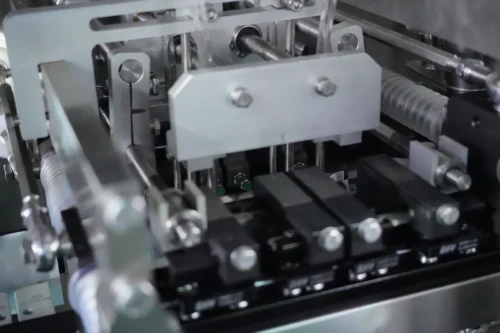
Key takeaways: Small sachet packaging is increasingly popular for capsules and powders. Horizontal pouch machines like Grand’s CTS-180 deliver high throughput (up to 80 ppm) and flexibility in bag styles. Industry guidelines stress matching pouch size to product and using high-barrier films.
By choosing a proven machine and following best practices, manufacturers can boost output by ~50% while ensuring secure, unit-dose packing. For customized solutions and detailed spec sheets, contact Grand’s packaging experts – they can recommend the right format and calculate expected speed for your specific bag design.
Develop Your Business with Grand