Why Metal Detection Are the Last Line of Defense?

Maximize Output: GZPK-660 High-Speed Tablet Press Machine
Grand’s Standardized Blister Packaging Machine | PMMA Acrylic Cover
Thinking about pharmaceutical production often brings to mind complex chemistry and high-speed automation. However, the most critical element remains the "invisible wall"—the safety guards that separate a sterile, high-speed process from the human operator.
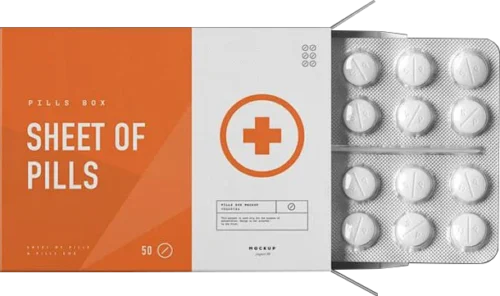
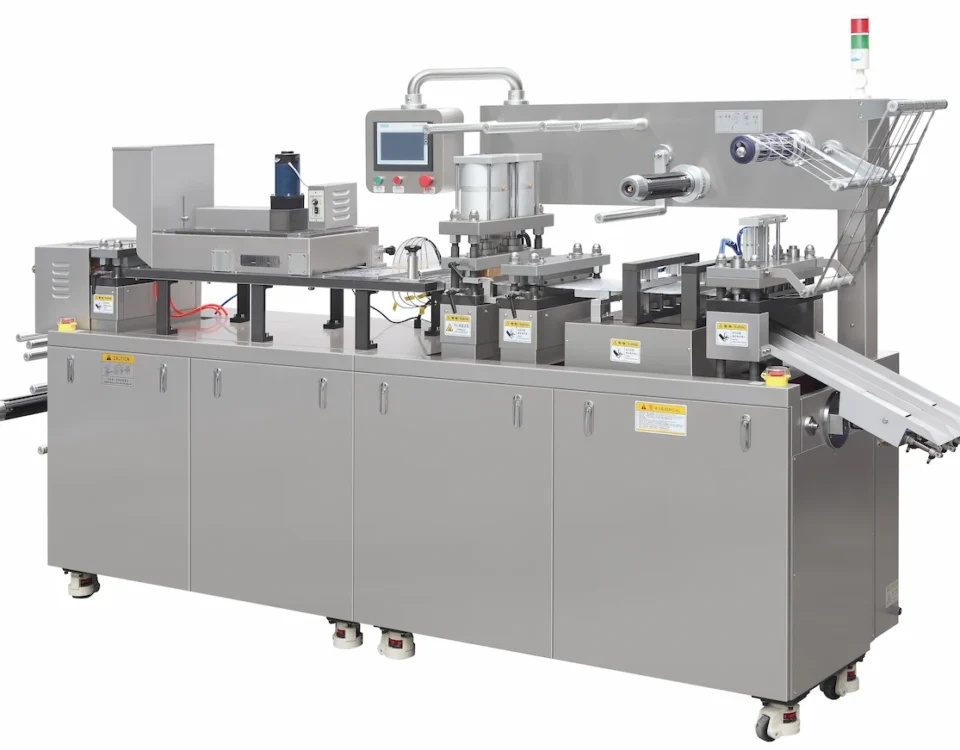
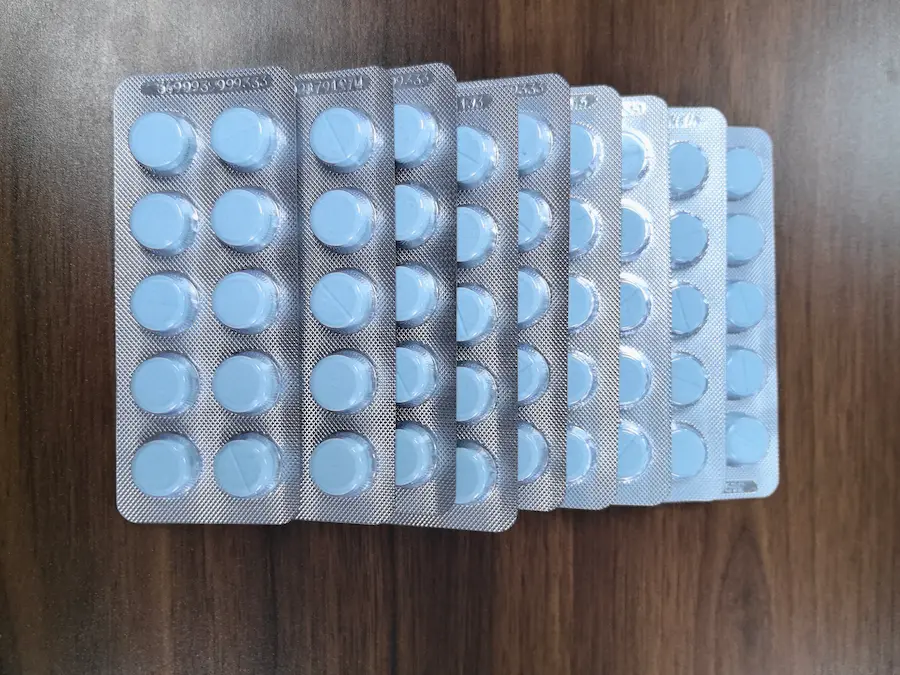
Grand offers an integrated production line that combines tablet manufacturing (utilizing fully automatic tablet presses) with blister packaging, providing comprehensive solutions for pharmaceutical manufacturers and clients.
At Grand, we believe that a Blister Packaging Machine is only as good as the safety standards it upholds. Today, we are diving deep into the technical evolution of PMMA (Polymethyl Methacrylate) guards and why Grand’s approach to machine shielding sets a new benchmark in the pharmaceutical industry.
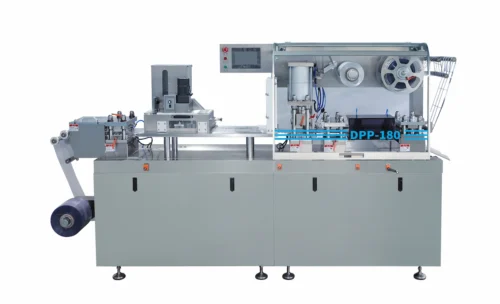
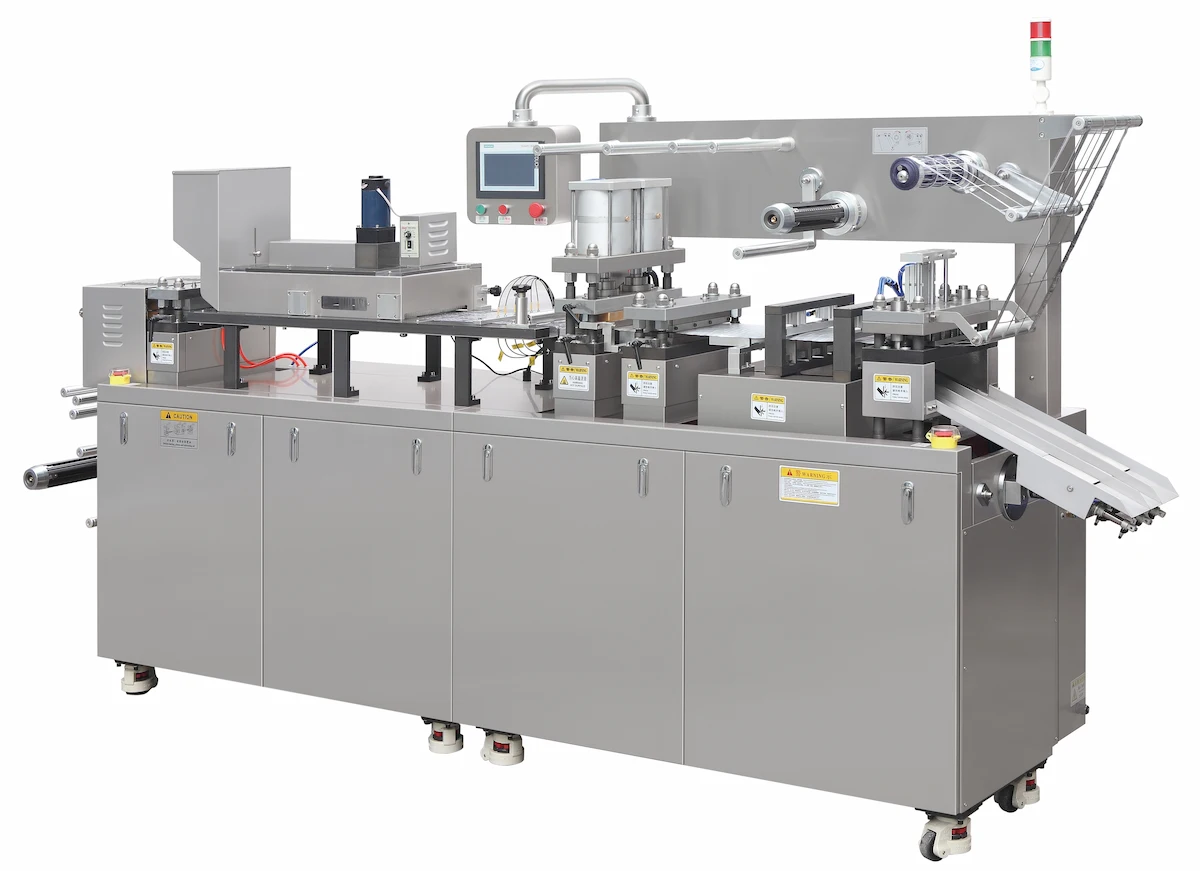
Grand Blister Machine with Glass Enclosure
The Evolution of the "Standard" Blister Packaging Machine
The modern pharmaceutical landscape demands more than just speed. It demands "Standardization." In the context of a Blister Packaging Machine, standardization refers to the seamless harmony between mechanical output and safety protocols.
Historically, protective covers were an afterthought—often made of brittle materials or poorly fitted frames. Grand has redefined this. We view the protective plexiglass (PMMA) cover not as a mere lid, but as a sophisticated technical component vital for both machine longevity and personnel safety.
Why PMMA? The Material of Choice for Grand
When you operate a Blister Packaging Machine, you deal with heat, pressure, and rapid mechanical movement. Grand utilizes 100% virgin food-grade PMMA for its guards. But why not standard glass or polycarbonate?
Optical Brilliance Our PMMA guards offer a light transmission rate of ≥92%. In a pharmaceutical setting, visibility is everything. Operators must see the forming, sealing, and punching stations clearly to identify defects early. If the "glass" is cloudy, the operator is blind. Grand ensures total transparency.
Impact and Safety Pharma environments are high-stakes. Standard glass shatters into dangerous shards. Our PMMA is 7 to 10 times more impact-resistant than ordinary glass. If a mechanical failure occurs, the guard absorbs the energy. Even if it breaks, it forms dull-edged particles, preventing sharp-force injuries to your staff.
Technical Specification: The Grand BZPM-PMMA-2026
To provide the most useful information for your facility’s safety audit, we have codified our guard standards under the BZPM-PMMA-2026 protocol. This isn't just a piece of plastic; it’s an engineered safety system.
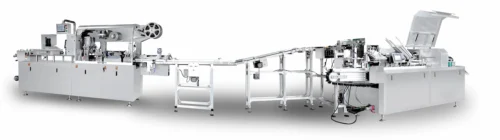
Blister Packaging to Cartoning Production Line Combination
Thermal Stability A Blister Packaging Machine generates significant heat during the sealing phase. Our guards withstand long-term temperatures from -40°C to +80°C. This ensures the guard doesn't warp or release fumes (outgassing) near your sensitive medication.
Mechanical Strength With a tensile strength of ≥70MPa and Rockwell hardness of M80-M85, these guards resist the scratches and "fogging" that typically plague lower-quality machines. A Grand machine looks as clear in year five as it did on day one.
The Role of the Guard in the Forming and Sealing Stations
Every Blister Packaging Machine has "danger zones." These are the stations where the PVC/ALU is heated, formed, and eventually sealed.
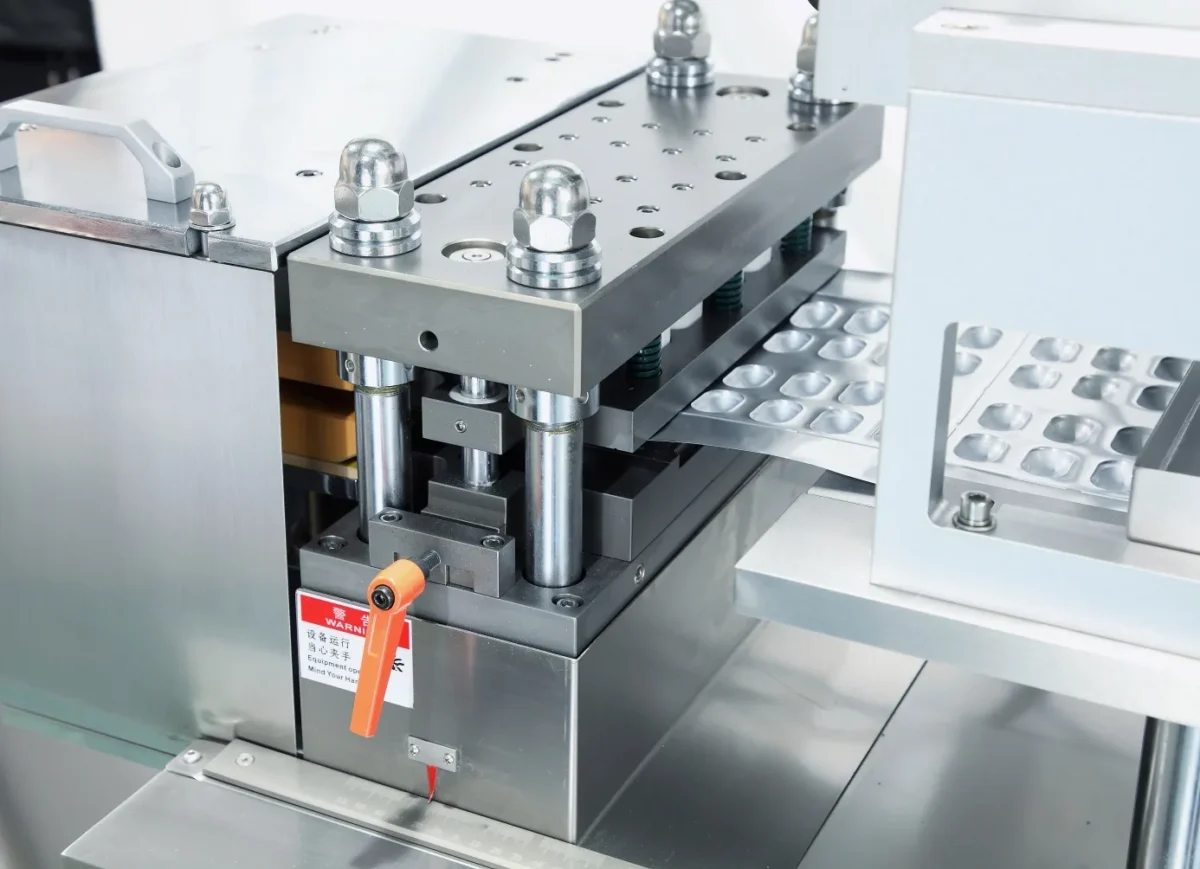
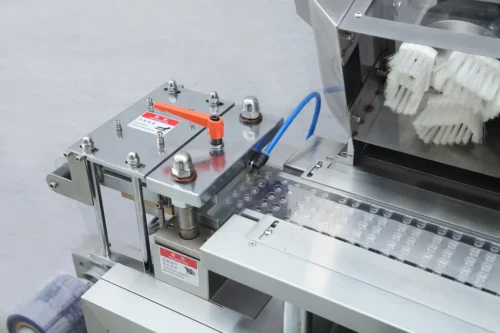
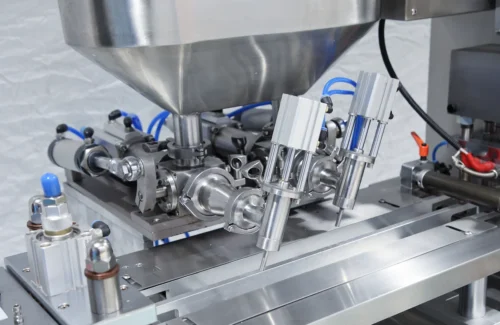
The Forming Station: Here, high pressure and heat create the pockets. The Grand PMMA guard prevents accidental contact with the heating plates.
The Sealing Station: This is where the lidding foil meets the blister. The guard isolates the high-pressure rollers, ensuring no stray fingers—or stray contaminants—enter the zone.
The Punching Station: Rapid mechanical cutting creates the final blister cards. Our 8mm thick guards at this station act as a ballistic shield against debris.
Compliance: More Than Just a Word
In the pharmaceutical world, "compliance" is the barrier to entry. If your Blister Packaging Machine doesn't meet GMP (Good Manufacturing Practice) standards, it shouldn't be on your floor.
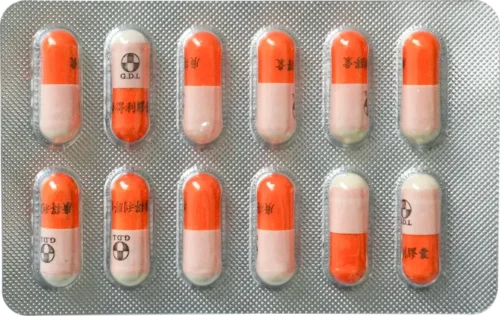
Grand’s guards comply with GB 4806.8-2022, the national standard for food-contact plastic materials. Why does this matter for medicine? Because the air inside the machine environment interacts with the guard and then the product. By using zero-migration, non-toxic PMMA, Grand ensures that no chemical "shedding" contaminates your tablets or capsules.
Furthermore, our UL94 V-2 flame retardancy rating means the guard is self-extinguishing. In the rare event of an electrical fault, the guard won't fuel the fire; it will help contain it.
Installation Mastery: The Grand Methodology
A guard is only effective if it stays in place. We don't just "bolt it on." Grand uses a specific installation protocol to ensure the guard becomes part of the machine’s "skeleton."
We employ stainless steel M4/M5 bolts coupled with anti-vibration rubber gaskets. Why? Because a Blister Packaging Machine vibrates at high frequencies. Without vibration dampening, screws loosen and PMMA cracks around the drill holes. Grand’s 2-3N·m torque specification ensures a firm grip without stressing the material.
Maintenance: Preserving the Invisible Wall
We want our customers to get a decade of use from their Grand equipment. To maintain the integrity of the PMMA guards on your Blister Packaging Machine, follow these "Grand Rules":
Avoid the "Chemical Melt": Never use acetone, banana water, or strong acids. These chemicals "craze" PMMA, creating thousands of micro-cracks. Use neutral detergents only.
Soft Touch Only: Use microfiber cloths. Steel wool or hard brushes will ruin the optical clarity, forcing you to replace the guard prematurely.
The Replacement Standard: If you see a deep crack or yellowing, replace it. A compromised guard is no guard at all.
The "Grand" Advantage: Divergent Thinking in Machine Design
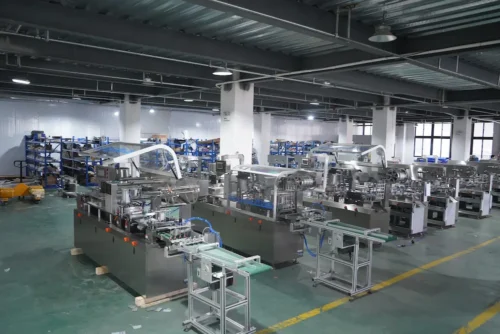
Grand Blister Machine Manufacturing Factory
Most manufacturers see a Blister Packaging Machine as a series of motors and heaters. Grand sees it as a workflow.
By integrating the PMMA guards into the machine’s logic, we’ve created a "Safe-Stop" environment. Our guards are often fitted with electronic interlocks. If an operator opens the guard to clear a jam, the machine stops instantly. This is the "Grand Standard"—intelligence married to physical protection.
Beyond the Guard: Total Machine Integration
While the guard is the focus today, it represents our philosophy for the entire machine. Whether it is the feeder, the PLC control system, or the rejection station, Grand applies the same rigorous standards.
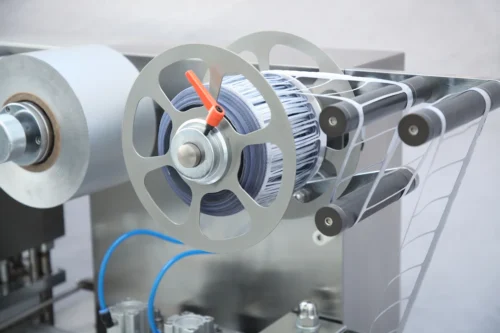
Blister Machine Waste Recovery Mechanism
When you invest in a Grand Blister Packaging Machine, you aren't just buying hardware. You are buying a documented system (Document No: BZPM-PMMA-2026) that satisfies auditors, protects operators, and ensures the purity of your pharmaceutical products.
Storage and Longevity
If you keep spare guards on hand, Grand recommends a dry, cool, ventilated environment. PMMA is sensitive to UV light over extremely long periods. By storing them correctly, you ensure that your backup is ready to perform at a moment’s notice.
Conclusion: Making Packaging "Grand"
Standardization is not about doing the minimum required by law. It is about doing the maximum possible for safety and efficiency.
The PMMA protective cover on a Grand Blister Packaging Machine is a testament to our commitment to the pharmaceutical industry. It provides the clarity you need to monitor your production and the strength you need to protect your most valuable asset: your people.
By choosing Grand, you choose a partner that understands the nuances of GMP, the physics of polymer science, and the demanding pace of pharmaceutical manufacturing. We don't just build machines; we build the standards that move the industry forward.
Develop Your Business with Grand