Top 10 Self-Adhesive Label Suppliers in Europe | Best Manufacturers
Grand’s Standardized Blister Packaging Machine | PMMA Acrylic Cover
Why Metal Detection Are the Last Line of Defense?
Introduction
In pharmaceutical manufacturing, product safety is the foundation of every process. From raw material handling to final packaging, manufacturers must ensure that medicines are free from contamination and meet strict regulatory standards.
One of the most critical safeguards in pharmaceutical packaging lines is the use of a Metal Detector combined with checkweighing systems. These inspection technologies provide a final verification step before products reach patients.
Metal detection helps identify metallic contaminants that may enter the production process through machinery wear, raw materials, or handling errors. At the same time, checkweighing ensures that the correct number of tablets, capsules, or other dosage forms are present in each package.
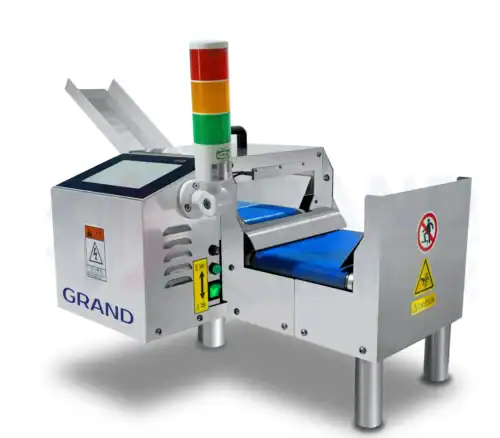
Together, pharmaceutical checkweighing and metal detection systems form a reliable quality control layer that protects both manufacturers and consumers.
The Importance of Metal Detection in Pharmaceuticals

The pharmaceutical industry operates under strict regulatory frameworks such as Good Manufacturing Practice (GMP). These regulations require manufacturers to implement effective contamination control throughout the production process.
Metal contamination is one of the most serious risks in pharmaceutical production. Small fragments of metal can enter products through equipment wear, broken machine components, or contamination during material handling.
Even microscopic particles can lead to:
- Product recalls
- Regulatory penalties
- Damage to brand reputation
- Patient safety risks
Because of these risks, many pharmaceutical production lines install a Pharmaceutical Metal Detector at critical control points. These systems automatically scan products and remove contaminated items before they continue through the packaging process.
By integrating metal detection systems into production lines, pharmaceutical companies significantly reduce contamination risks and strengthen overall quality assurance.
Pharmaceutical Checkweighing and Metal Detection
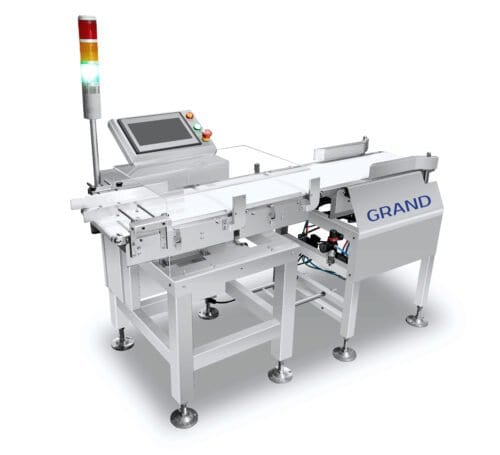
Modern pharmaceutical packaging lines rely heavily on automated inspection technology. Two of the most important tools used are checkweighers and metal detectors.
Although they perform different functions, they work together to maintain product quality.
Checkweighers
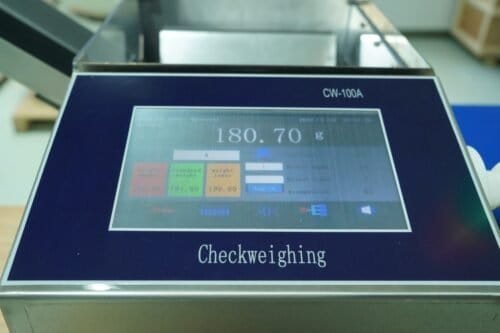
Checkweighers measure the weight of packaged products to ensure accuracy. They help detect issues such as:
- Missing tablets in blister packs
- Underfilled bottles
- Missing instruction leaflets in cartons
This allows manufacturers to quickly remove defective products from the production line.
Metal Detectors
A Metal Detector identifies foreign metallic objects within products or packaging. These detectors are capable of detecting:
- Ferrous metals
- Non-ferrous metals
- Stainless steel contaminants
When integrated into a packaging line, metal detectors automatically reject contaminated products, preventing them from reaching the market.
The combination of pharmaceutical checkweighing and metal detection provides a comprehensive inspection solution that protects both product quality and patient safety.
Sources of Metal Contamination in Pharmaceutical Production
Metal contamination can occur at multiple stages of pharmaceutical manufacturing. Understanding these sources is essential for designing an effective inspection strategy.
Common contamination sources include:
Equipment Wear
Mechanical components such as mixers, tablet presses, and conveyors can gradually wear down during operation. Over time, tiny metal particles may break off and enter the production stream.
Raw Materials
Metal fragments may occasionally be present in raw materials or packaging components supplied by third-party vendors.
Human Error
Improper maintenance procedures or accidental introduction of metal objects during production can also lead to contamination.
Mechanical Failures
Loose screws, broken machine parts, or damaged tooling can introduce metal fragments into pharmaceutical products.
Because contamination can occur in multiple ways, installing an Industrial Product Metal Detector provides an essential safeguard within pharmaceutical packaging lines.
How Industrial Product Metal Detectors Work?
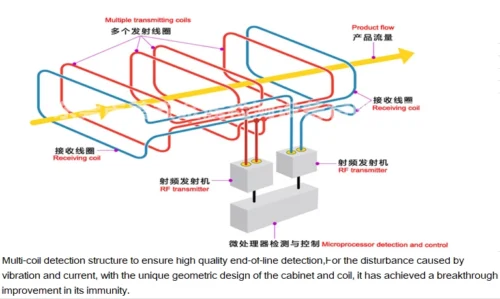
An Industrial Product Metal Detector uses electromagnetic fields to detect metallic contamination within products as they pass through a detection zone.
When a product moves through the detector aperture, the system continuously monitors signal variations caused by metal objects. If a metal contaminant is detected, the system immediately triggers a rejection mechanism to remove the affected product from the line.
Modern metal detection systems include advanced features such as:
- Digital signal processing
- Automatic product learning
- Multi-product memory settings
- Adjustable sensitivity controls
These capabilities allow detectors to adapt to different pharmaceutical products and packaging formats while maintaining high detection accuracy.
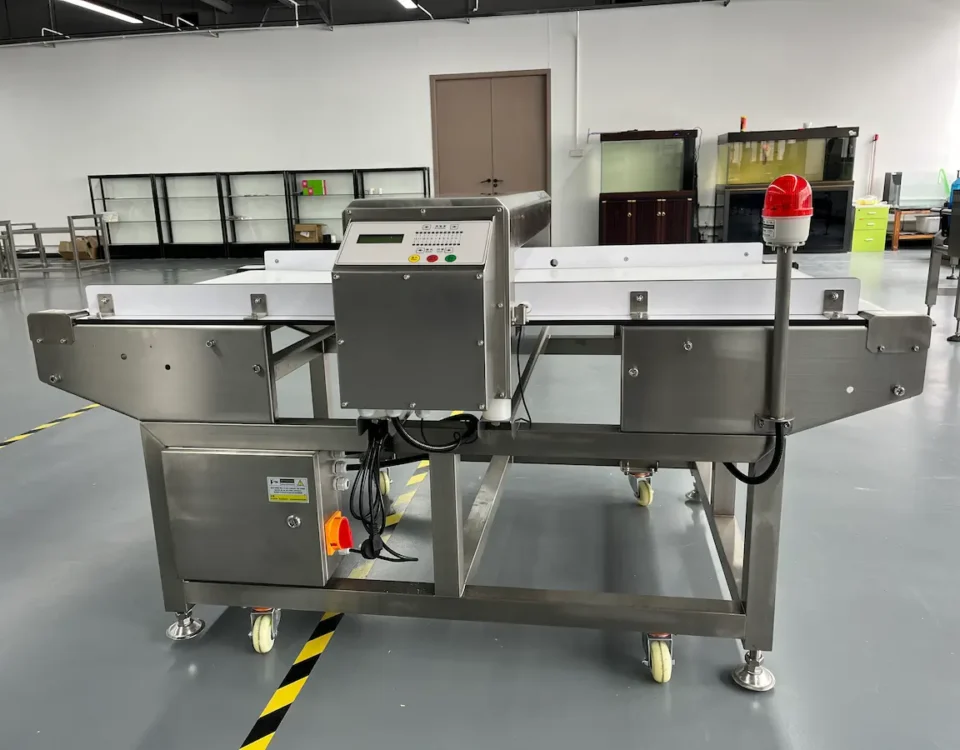
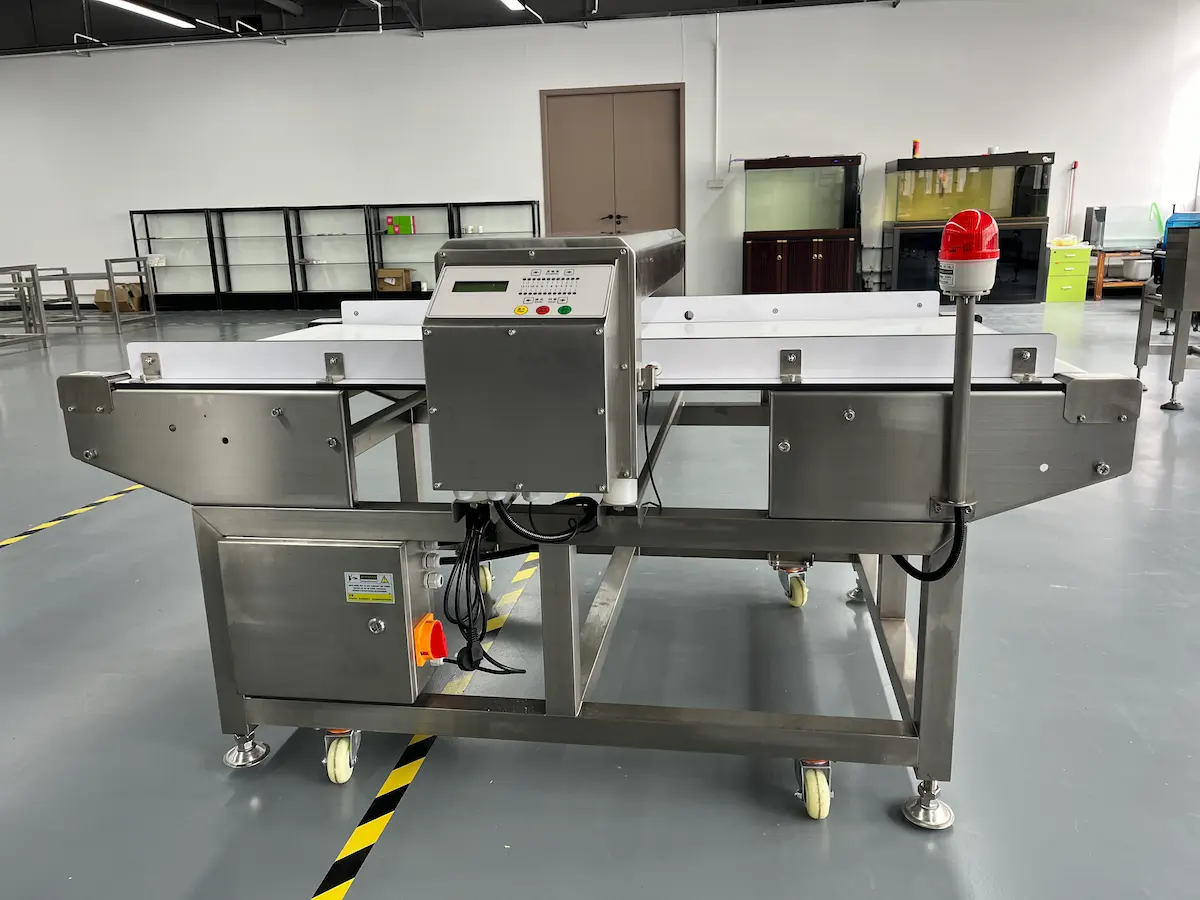
Grand M3010 Pharmaceutical Metal Detector
For pharmaceutical manufacturers seeking reliable inspection equipment, the Grand M3010 Metal Detector provides an efficient and stable solution for automated production lines.
The M3010 is designed to detect metallic contaminants in products moving through conveyor-based inspection systems. It can identify contaminants such as iron, stainless steel, and non-ferrous metals, helping pharmaceutical manufacturers maintain strict quality standards.
Key Technical Features
- Detection width: 300 mm
- Detection height: 150 mm
- Conveyor speed: 30 m/min
- Maximum product load: 10 kg per pass
- Detection sensitivity:
- Fe ≥ 1.0 mm
- Non-Fe ≥ 1.5 mm
- SUS ≥ 2.0 mm
The system also includes automatic product recognition and storage for up to 12 product profiles, allowing operators to quickly switch between different product types without complex recalibration.
Advanced Signal Processing
The M3010 uses advanced digital signal processing technology that automatically compensates for product effects. This improves detection accuracy even for products with challenging properties such as moisture, sugar, or salt content.
Hygienic and Durable Design
The detector frame is constructed from SUS304 stainless steel, ensuring durability and easy cleaning. The conveyor belt uses FDA-certified food-grade PU material, making it suitable for pharmaceutical production environments.
With an IP65 protection rating, the system is designed for long-term stability in industrial environments.
Why Boxed Product Metal Detection Matters?
In many pharmaceutical production lines, metal detection occurs after primary packaging is completed. At this stage, products may already be packed into blister cards, bottles, or cartons.
Using a Boxed Product Metal Detector ensures that the final packaged product is inspected before shipping.
This step provides several advantages:
- Final contamination check before distribution
- Reduced risk of product recalls
- Improved consumer safety
- Compliance with pharmaceutical quality standards
By placing metal detection at the end of the packaging line, manufacturers create a final safety barrier that ensures product integrity.
Choosing the Right Pharmaceutical Metal Detector
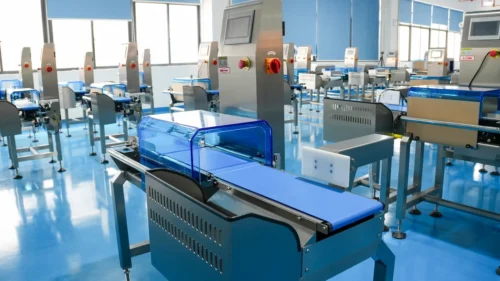
Selecting the right Pharmaceutical Metal Detector depends on several factors.
Manufacturers should consider:
Product Type
Different dosage forms—tablets, capsules, powders, or liquids—may require different detection settings.
Packaging Material
Certain packaging materials, such as aluminum foil, may require specialized detection systems.
Production Speed
High-speed packaging lines require detectors capable of maintaining accuracy while processing large volumes of products.
Hygiene Requirements
Pharmaceutical equipment must meet strict sanitary standards to prevent cross-contamination and simplify cleaning procedures.
Working with an experienced equipment supplier helps ensure that the selected inspection system matches the specific requirements of the production line.
Future Trends in Pharmaceutical Inspection Technology
As pharmaceutical manufacturing becomes more automated, inspection technologies continue to evolve.
Future developments may include:
- AI-assisted inspection systems
- Multi-frequency metal detection
- Integration with vision inspection systems
- Smart factory monitoring and data tracking
These technologies will further improve quality control while helping pharmaceutical companies meet increasingly strict regulatory requirements.
Conclusion
Metal detection plays a crucial role in pharmaceutical manufacturing. By identifying metallic contamination before products leave the production line, manufacturers protect patients, comply with regulatory requirements, and safeguard their brand reputation.
When combined with checkweighing technology, metal detectors provide a comprehensive inspection solution for pharmaceutical packaging lines.
Equipment such as the Grand M3010 Pharmaceutical Metal Detector demonstrates how modern inspection systems can deliver both high sensitivity and reliable performance in demanding production environments.
For pharmaceutical manufacturers seeking to strengthen quality control and contamination prevention, investing in advanced industrial metal detection technology is an essential step toward safer and more efficient production.
FAQ: Pharmaceutical Metal Detectors
What does a pharmaceutical metal detector detect?
A pharmaceutical metal detector identifies metallic contaminants such as ferrous metals, non-ferrous metals, and stainless steel particles within pharmaceutical products during production or packaging.
Why is metal detection important in pharmaceutical manufacturing?
Metal detection helps prevent contaminated products from reaching consumers, protects patient safety, and ensures compliance with GMP regulations.
Where are metal detectors installed in pharmaceutical production lines?
Metal detectors are typically installed:
- After tablet compression
- After capsule filling
- After blister packaging
- Before final cartoning
These positions ensure contaminated products are removed before distribution.
What is the difference between a checkweigher and a metal detector?
A checkweigher verifies the weight of packaged products, while a metal detector identifies metallic contamination. Together, they provide comprehensive quality control in pharmaceutical packaging lines.
References:
Develop Your Business with Grand